A spotless preschool classroom may be an unrealistic expectation. But organized? That’s entirely within reach, and it's one of the most impactful things you can do for your classroom.
In fact, how you store and organize classroom materials significantly affects children’s behavior, engagement, and social-emotional development. It can also shape how educators interact with and respond to children in their care.
In this article, we explore what "organized" really means. Then, we dive into the benefits of a well-organized classroom for children and the educators who teach and guide them.
What are the key benefits of an organized classroom?
Organization isn't just about keeping things tidy. It's also important to create a space where children can focus, make their own choices, and navigate the classroom with confidence. When the physical environment works well, everything else—from behavior to transitions to teaching—works better, too.
Here are five benefits of an organized classroom that may surprise you.
1. Encourages independence
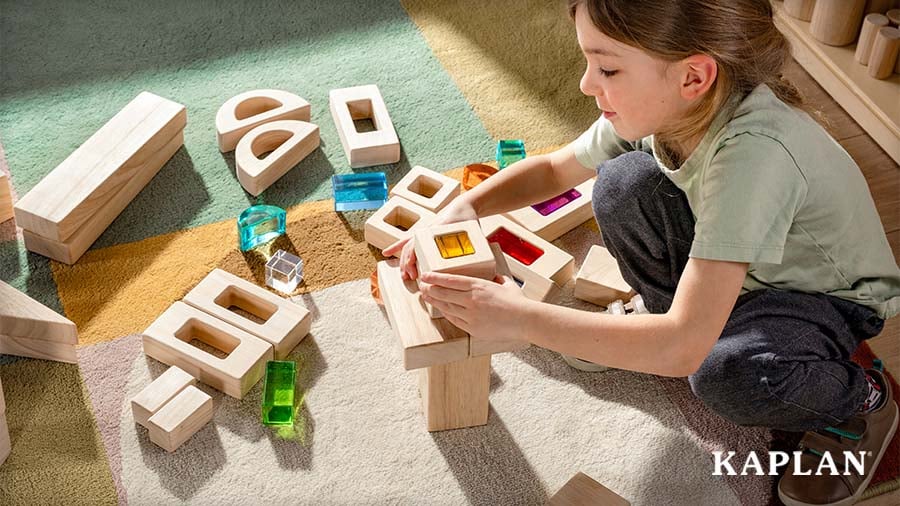
Have you ever watched a child light up when they’ve figured out something on their own? Even before they hear “Great job!” or a round of applause, they’re already celebrating a deep, inherent need being met: autonomy.
In the Gryphon House book Thinking Outside the Prize Box, author Adam Holland, PhD, explains that children have a natural desire to feel in control of their own experiences. They feel more confident and competent when they can do things themselves and without relying on an adult. An organized, well-structured classroom environment plays an important role in supporting that need.
Here’s how to organize classroom materials in a way that fosters independence:
- Be selective about the materials on display. Fewer options allow children to navigate the space without feeling overwhelmed.
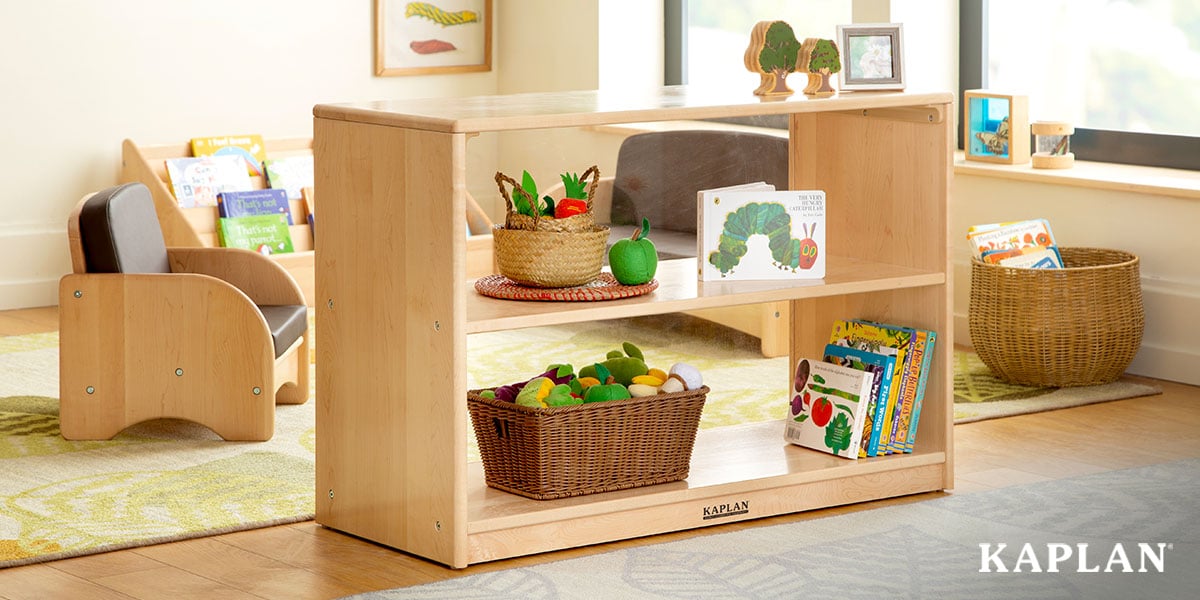
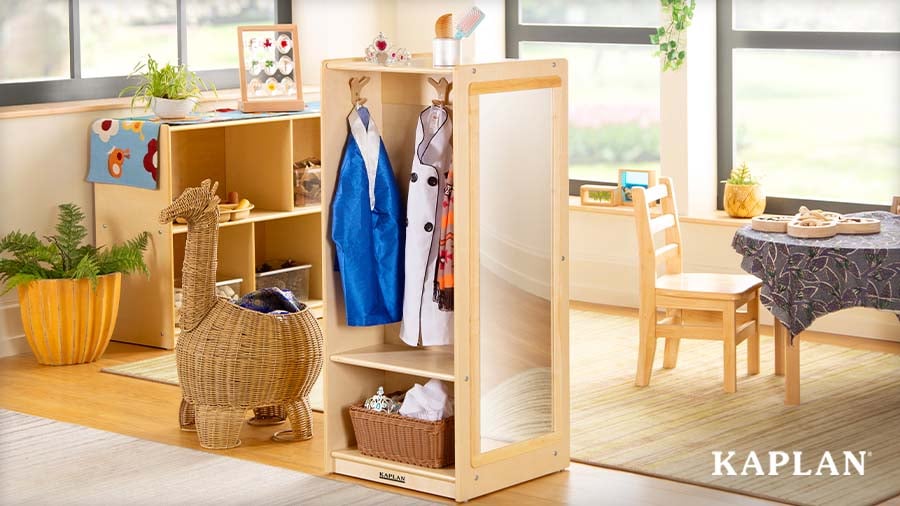
- Use low, open shelving units so materials are easy for children to access and put away.
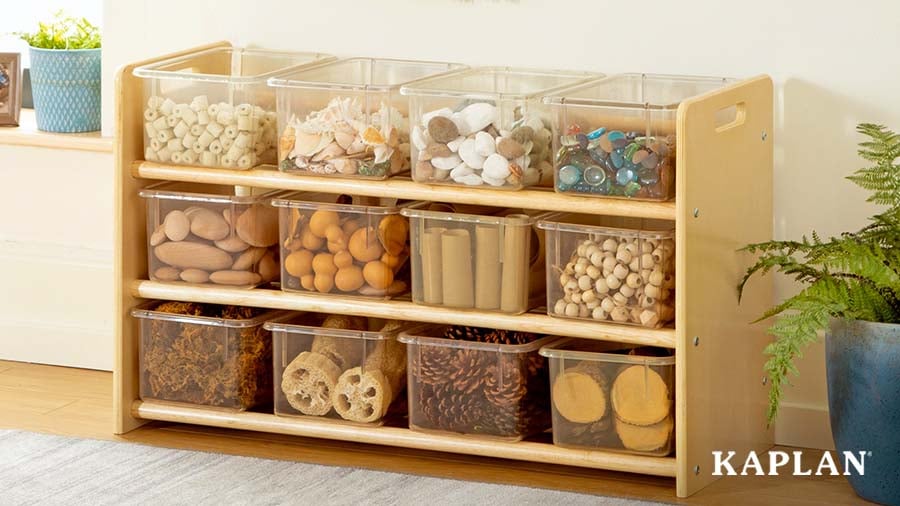
- Store materials in clear containers with labels (pictures for non-readers). Labeling makes it easy for children to know what's inside and where things belong.
When children are more self-sufficient in the classroom, educators spend less time providing constant supervision and support. Instead, they can focus on observing, connecting with, and supporting each child as they explore and learn.
2. Makes transitions easier
Transitions from one activity, learning center, or part of the day to the next are among the most challenging moments in a preschool classroom. When they go well, the day flows smoothly. When they don't, frustration quickly builds for both children and educators.
In an organized classroom, children can move through the space with minimal guidance. In Calm and in Control: Simple and Effective Strategies to Support Young Children's Self-Regulation, author Julie Tourigny, OTD, MS, OTR/L, explains that when children know what to expect out of their day, they tend to become calmer and more in control of their emotions. That predictability, she notes, makes transitions go smoothly and decreases disruptive behaviors.
How can you organize classroom materials to support that predictability? It might look like:
- Defined learning centers or zones to demonstrate how children should use the space and materials. Use carpets, furniture, or even tape to create clear boundaries.
- Clear, labeled bins to help children independently identify where materials belong. Pair pictures of the items inside each bin with simple text labels, such as “Blocks,” “People,” or “Loose Parts.”
- Defined shelf spaces so each material has a dedicated home, building that routine and familiarity over time.
- Visual clean-up guides that show what shelves should look like when materials are organized and put away.
Without this level of organization, transitions can quickly unravel. Children may leave messes, argue over misplaced items, or struggle to move on when clean-up feels overwhelming. A well-organized space removes guesswork and makes clean-up a natural part of the routine.
3. Promotes positive classroom behaviors
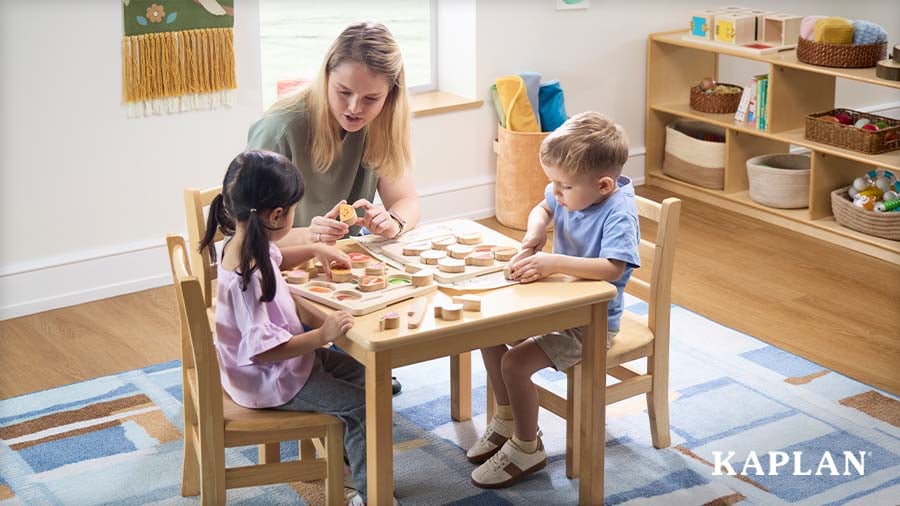
There’s a strong connection between the physical classroom space and children’s behavior. When children know where things belong, they’re less likely to become frustrated or overwhelmed.
Research supports this connection. A study published in Developmental Psychology found that children who experienced higher-quality classroom environments in pre-K and kindergarten—particularly those with strong emotional support and classroom organization—showed better social skills and fewer behavior problems. These gains lasted into the following school year.
In contrast, less-organized environments make it harder for children to follow rules and routines. In Calm and in Control, Tourigny notes that cluttered spaces can trigger strong emotions like frustration, anger, and overwhelm in children, especially those still developing self-regulation. As a result, they struggle to remember directions, routines, and classroom expectations.
When materials are easy to find and routines are clear, children spend less time navigating a messy space and more time playing and learning.
4. Helps reduce teacher stress
Early childhood educators carry a huge responsibility. They teach and nurture children during a critical stage of development while also managing a lively classroom.
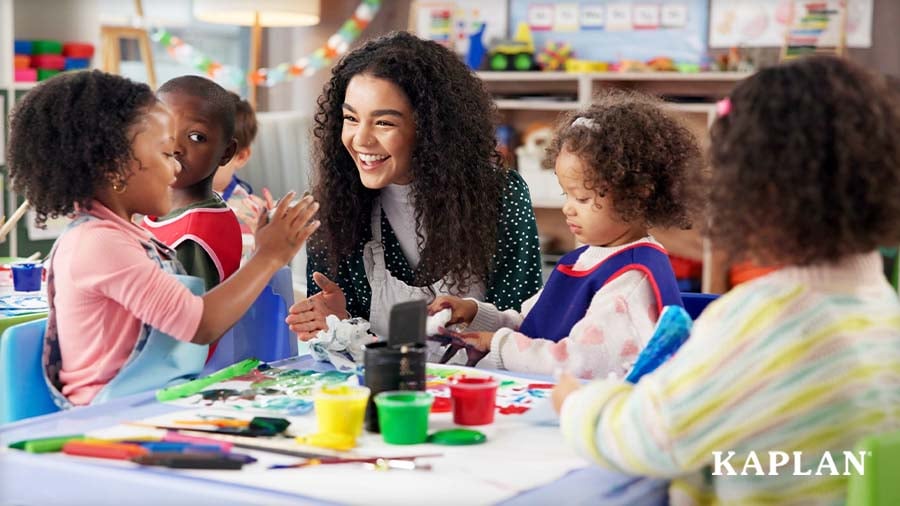
That’s where an organized classroom counts. It can reduce stress and burnout by lowering cognitive load, easing transitions, and conserving mental energy.
For educators, this means:
- Less time spent searching for supplies or redirecting children to the right materials
- Fewer conflicts that arise in cluttered or unstructured spaces
- Reduced strain from constant management and problem-solving
- More presence and availability for teaching and meaningful connections
An organized classroom benefits both children and the adults who spend their days in these spaces. It supports educators' well-being and frees them to focus on the moments that matter most.
5. Maximizes classroom space
Many preschool classrooms are small spaces that serve multiple purposes throughout the day. A single area might serve as a reading nook, dramatic play space, and block area. Without thoughtful organization, the small space can feel cluttered, cramped, and uninviting.
Below are a few practical strategies for maximizing limited classroom space:
- Choose multipurpose classroom materials. Select items that are durable, engaging, and versatile enough to use across learning centers.
- Use clear bins to store materials when they’re not in use. You can free up floor and table space while reducing visual clutter.
- Organize materials using classroom storage solutions. Include furniture that helps define learning centers while keeping materials organized and accessible.
- Maintain a consistent rotation schedule to cycle materials in and out of the space as needed. The goal is to prevent overcrowding and disorganization in small spaces.
Good organization helps a single room do more. When materials are organized and learning centers are clearly defined, the space feels more open, calm, and easy to navigate.
Create a more efficient preschool classroom through organization
An organized classroom is about far more than appearance. It fosters children’s independence and confidence, while supporting smoother transitions. At the same time, it reduces stress, disruptions, and mental load for educators.
You don't need a complete classroom overhaul to organize your classroom materials. Start with a few practical steps, such as categorizing toys and materials, decluttering a single shelf, or labeling a few bins and baskets. When the classroom supports children’s independence, self-regulation, and learning, everyone wins.
Ready to create a more organized, efficient classroom? Explore storage solutions designed to simplify classroom management, support children’s autonomy, and make the most of your learning space.