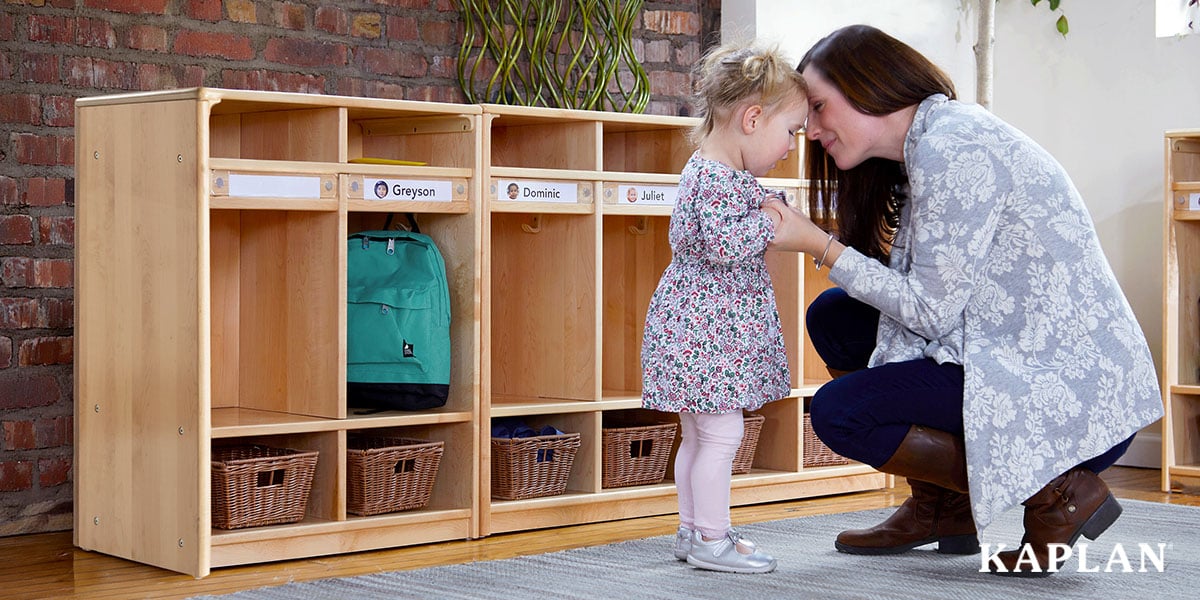
Transitions are an unavoidable part of every school day. They happen at morning drop-off, between activities, during meals, and other points throughout the day. For young children, they can be especially tricky, especially as they adjust to new classroom environments and routines.
These shifts often lead to difficult behaviors and disruptions that throw your classroom schedule off track. But adding fun, engaging transition activities to these in-between moments can help foster a calm, more efficient classroom environment.
Keep reading for simple, fun-filled activities that turn everyday transitions from chaotic to joyful.
Why are transitions difficult for young children—and how can activities help?
In preschool and early elementary classrooms, transitions can cause chaos and frustration for children and teachers alike.
At this age, children are developing autonomy and executive function while learning to manage big feelings—all of which can make it hard to shift from a fun activity to a less exciting task. This means teachers often spend valuable time providing guidance, reinforcing rules, and managing disruptions.
Effective transitions nurture emotional regulation, independence, and positive behaviors while supporting classroom management and efficiency. Transition activities give children tools to move through the day without the confusion or overwhelm that comes with learning new rules and routines.
What activities make classroom transitions easier for young learners?
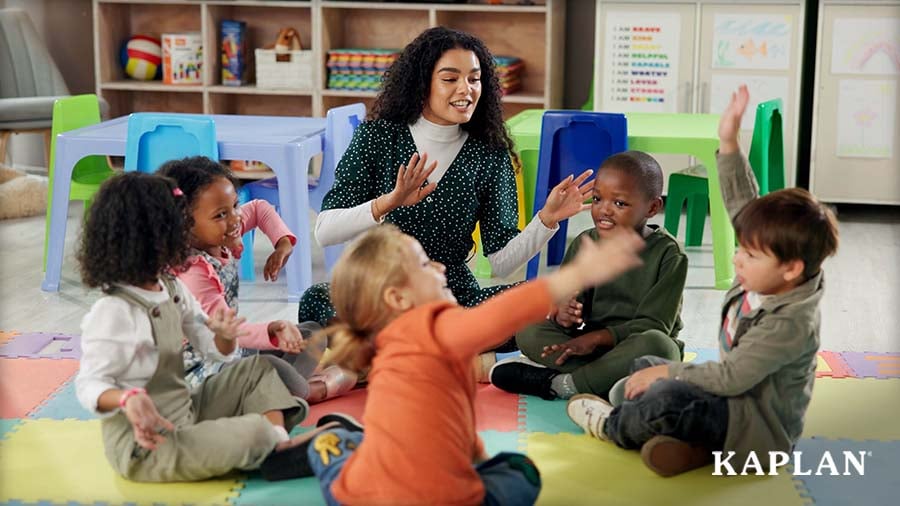
Transition activities bring excitement and joy to the less fun parts of the day. The activities below don’t require much equipment or effort, but they can make a big difference in how young children handle classroom transitions.
1. Using gentle cues
It’s learning center time, and children are engrossed in pretend play, block-building, and crafts. Asking them to stop, clean up, and move on to another activity will likely lead to a few tears, tantrums, and outright resistance.
Visual and sound cues help children naturally prepare for change and anticipate what comes next. Ringing a gentle chime, flipping the lights off and on, or making a soft whistle sound can signal a specific transition without verbal instructions. For cues to work as intended, use a different one for each transition, such as washing hands, lining up, or prepping for outdoor play.
As a bonus, involve children! Assign a different child each week to ring the bell or flicker the lights as a classroom job. Along with the predictability that cues foster, the added responsibility nurtures confidence and independence in young children.
2. Playing music, singing, and dancing
Few things ease a difficult transition faster than a favorite song. One familiar tune or silly dance move, and tears and frustration dissolve into giggles. Choose a song that helps create the atmosphere you want for your next activity. A happy, upbeat song during morning drop-off and a mellow tune before naptime can help set the tone before children settle into what’s next.
Popular songs to have on rotation:
- The Wheels on the Bus
- Old MacDonald Had a Farm
- Clean Up
- If You’re Happy and You Know It
- Twinkle, Twinkle Little Star
- ABCs
Cue the music and watch the mood switch as children move and groove through the transition.
3. Turning it into a lighthearted challenge
Young children are naturally competitive, and transitions are the perfect time to turn up the friendly competition. You can say, “Let’s tiptoe like mice to the carpet for circle time” or “Let’s all be seated for snack before the timer ends.” These playful moments encourage children to participate without the pressure of leaving a preferred activity behind.
Keep in mind that some children will be eager to finish first. Remind them it's a group effort—there's no single winner—and reinforce expectations like walking feet and gentle hands as they take on the challenge. This approach keeps transitions engaging while building time-management and active-listening skills.
4. Playing Simon Says
Some transitions take longer than others and require children to wait patiently for their turn. Think handwashing before meals or putting on coats or boots for outdoor play. A simple go-to game like “Simon Says” is a great way to keep children occupied while they wait and reduce difficult or disruptive behavior.
Here’s how to play Simon Says:
- You (the teacher) can serve as “Simon” or choose a child as “Simon.”
- Simon must give physical instructions that begin with “Simon says…” For example, “Simon says touch your nose.”
- Every child must follow Simon’s instructions.
- If a child follows an instruction that doesn’t begin with “Simon says,” they’re out of the game and must line up for the next activity.
Games like “Simon Says,” “I Spy,” and “Freeze Dance” can turn challenging transitions into fun-filled moments children look forward to.
5. Making the “journey” exciting
Why walk when you can hop, tiptoe, or march like a soldier to the next activity? Liven up the moment with playful movement that gets children excited to transition. These moves are great for guiding children as they gather for circle time, line up to leave the classroom, or head to tables for snacks.
To infuse playful movement into transitions, children can:
- Waddle like a penguin
- Hop like a bunny
- Slither like a snake
- Stomp like an elephant
- Play games like “Red Light, Green Light” and “Follow the Leader”
A little movement and imagination go a long way in making everyday transitions something children look forward to, not resist.
Add transition activities for a smoother, calmer early childhood classroom
Back-to-school season can be a stressful time for young children. They’re adjusting to new people, routines, and environments while learning what’s expected of them. Transitions are tough year-round, but especially at the beginning of the school year when children are navigating so much change at once.
Use these activities as built-in support to help children move from one activity to the next with ease—and even something to look forward to.