Take a moment to see your classroom through the eyes of a child walking in for the first time. Does the environment feel welcoming and engaging? Can children easily navigate the space and discover opportunities to learn and explore on their own?
Over the course of a school year, even the most thoughtfully designed classroom can lose its spark. Furniture gets rearranged, materials pile up, and walls slowly become cluttered with posters, decor, and children's artwork. These small shifts add up and may affect how children move, focus, and feel in the space.
The good news: you don't have to overhaul your classroom to fix it. Keep reading to see how a few small changes to furniture placement, materials, and displays can transform a learning space in a weekend—or even an afternoon.
What simple updates make the biggest difference in a classroom?
You likely don't have time to tackle everything at once. Start with these five areas, and pick the one that needs the most attention in your classroom.
1. Rethink furniture placement
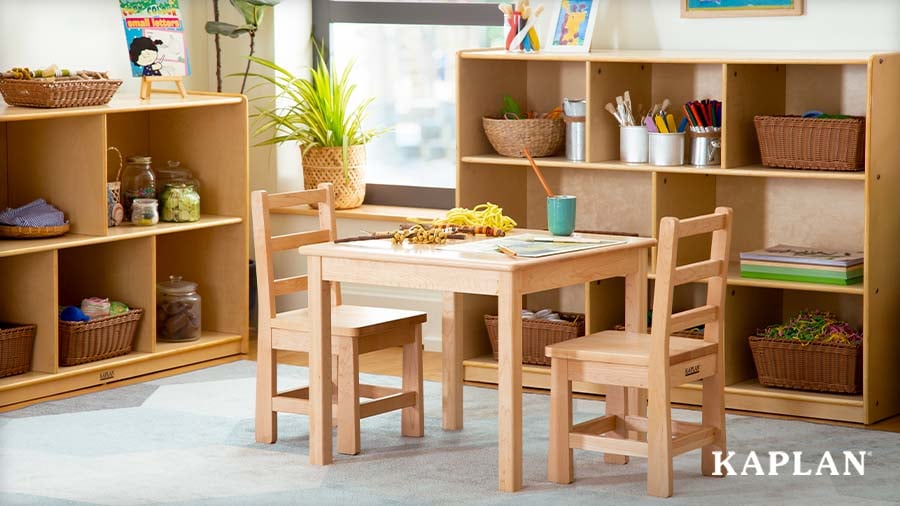
Where you place your classroom furniture shapes how children experience the learning environment. It determines how they move, where they play, and how well they focus. For example, a table in the wrong spot can block a pathway. A shelf pushed against the wall can change a space's layout—and how children use it.
In Through a Child's Eyes: How Classroom Design Inspires Learning and Wonder, authors Sandra Duncan, EdD, Jody Martin, and Sally Haughey explain that how you arrange classroom furniture shapes how children act, react, learn, and grow. The book also cites research by Kritchevsky, Prescott, and Walling showing that cramped classrooms with large or excessive furniture led to less cooperation and collaborative play, limiting how kids engaged with their peers.
A few furniture placement tips that can make a real difference:
Use shelves and low cabinets to define learning centers. Turn a bookshelf sideways, and it becomes a boundary between the reading nook and the block area. Children can see where one center ends, and the next begins, so they can move between spaces on their own with minimal guidance.
Pull furniture away from the walls. It might seem like pushing furniture against the walls maximizes floor space, but it often brings a new challenge. It creates one big open area that invites running, crowding, and "horseplay" instead of focused, purposeful movement. Pull pieces out even a few feet, and use them as natural dividers to break the room into smaller, more intentional zones.
Check sight lines from a child's height. Kneel down and examine the classroom from a child's perspective. Can children easily see and access the materials available in each learning center? Can you maintain a clear view across the classroom to supervise every area? Low, child-sized furniture helps children navigate the classroom independently while giving educators clear sightlines to monitor every learning center.
Remove furniture you're not using. An unused table or extra chairs stacked in a corner take up space and add clutter. If a piece of furniture doesn't support learning, move it out to create a more open, organized classroom.
Have a few updates in mind? Use MyKaplan FloorPlanner to test layout changes before moving a single piece of furniture, so you can easily visualize and optimize your classroom design.
2. Reroute classroom traffic flow
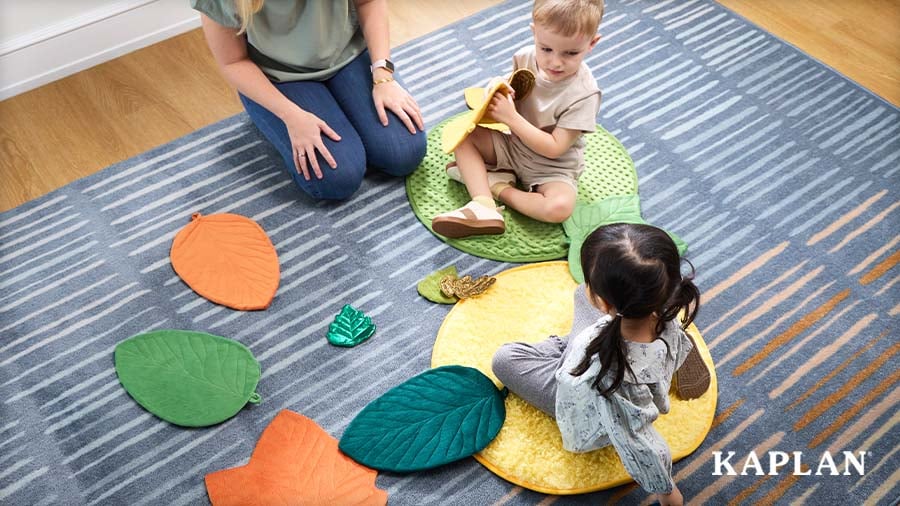
Traffic flow is how children move through the classroom. They need clear, unobstructed pathways to transition from one activity to the next without bumping into each other, crowding small spaces, and interrupting others in nearby centers. Poor traffic flow makes transitions more difficult, leading to congestion, unnecessary distractions, and interrupted learning.
A few traffic flow fixes worth trying:
- Create more than one entry or exit into each learning center. Multiple entry and exit points help prevent congestion, according to Through a Child's Eyes.
- Define clear paths. Use carpets, floor markers, or shelves to naturally guide children’s movement and reduce crowding, especially in high-traffic areas such as the classroom entrance, cubbies, sinks, and learning centers.
- Space out noisy centers. Avoid placing active areas, such as blocks and dramatic play, next to one another. Instead, separate them with a quieter center between them to help manage noise and reduce distractions.
- Observe how children actually move. Stand back and watch children’s movement for a few days. Where do lines form? What areas become congested quickly? Where do they wander aimlessly? Those are the spots to address first to clear traffic and improve the classroom flow.
A classroom that's organized around how children actually move through it feels calmer right away, often before you change anything else.
3. Declutter to reduce overstimulation
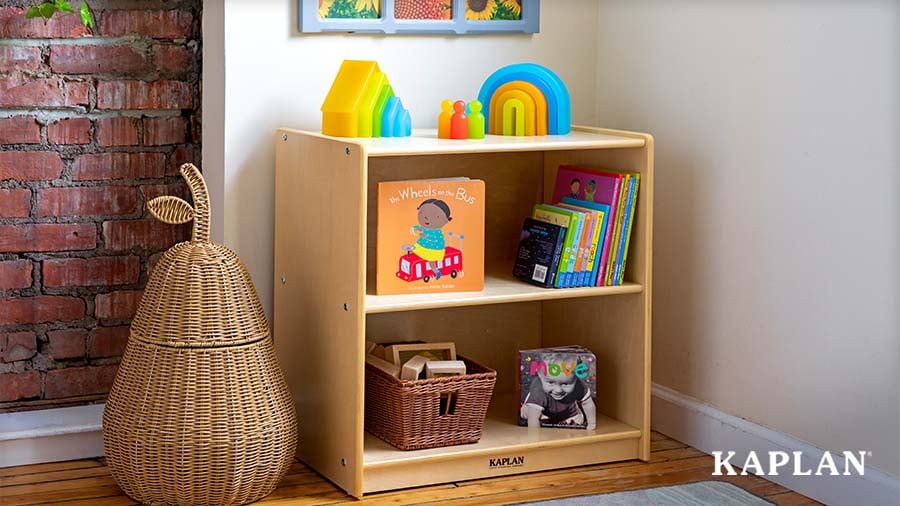
Classroom clutter adds visual noise, making it harder for children and educators to focus, settle, or find what they need.
In Room to Learn: Elementary Classrooms Designed for Interactive Explorations, Pamela Evanshen, EdD, and Janet Faulk, EdD, highlight the importance of regular cleaning and decluttering. They explain that an overabundance of “stuff”—including furniture, supplies, posters, and extra materials—can distract children and take up valuable learning space. Reducing clutter helps create a calmer, more focused classroom environment.
Quick ways to declutter and organize your classroom:
- Remove materials that haven't been touched in a while. Store them out of sight rather than on open shelves to minimize visual clutter.
- Keep only what serves a clear purpose. A block center with a few thoughtfully chosen materials is more inviting than one overflowing with blocks, figurines, and loose parts.
- Use storage solutions to give every item a designated home. This way, surfaces stay clear and clutter-free. Label bins and organizers so children can find and return items on their own.
- Schedule a monthly "sweep." Dedicate a few minutes once a month to walk through the room and remove anything that's broken, missing parts, or no longer being used. Involve children in decisions about what to keep and store to build ownership and responsibility for the classroom space.
A clean, organized classroom not only looks better, but it also reduces distractions and gives children more space to focus on what matters.
4. Refresh high-use materials to prevent boredom
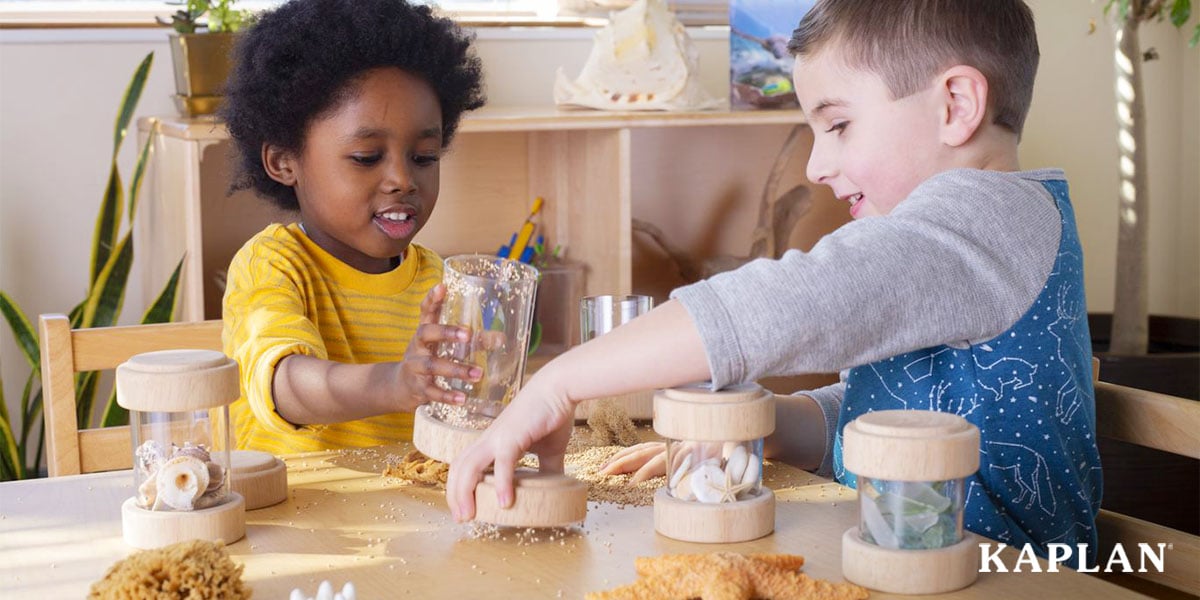
Leaving materials out for weeks or months at a time can cause engagement to drop. Children may lose interest or begin using them in unintended ways, which is often interpreted as a behavior issue rather than a reflection of the materials themselves.
In Thinking Outside the Prize Box: Navigating Challenging Behaviors in Today's Classroom, author Adam Holland, PhD, notes that bored children are more likely to become distracted or seek other forms of entertainment. This often shows up as off-task and challenging behaviors, such as throwing toys or disturbing others.
Simple ways to keep classroom materials fresh and engaging:
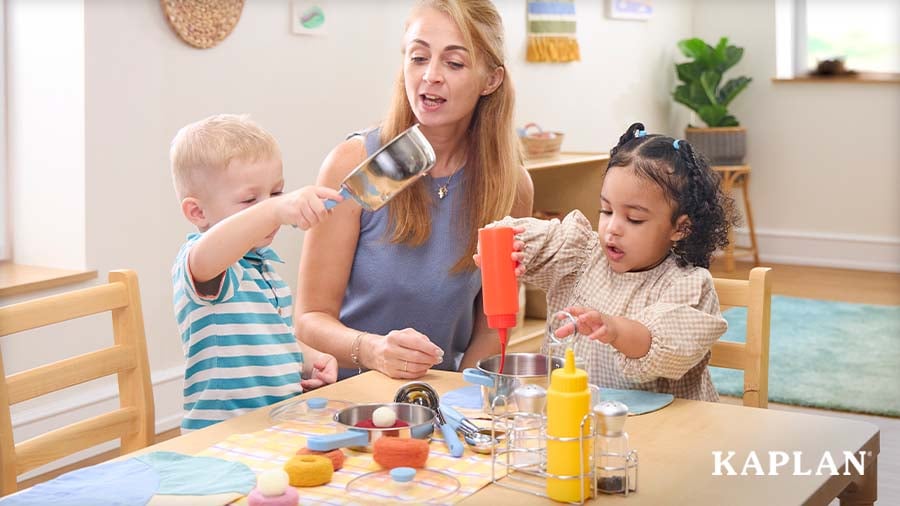
- Swap a few materials at a time. Refresh centers in small ways, like trading one puzzle set for another or replacing 2-3 props in the dramatic play area. Subtle changes can recapture children’s attention without overwhelming them.
- Watch for waning interest. Instead of rotating materials on a schedule, observe which items children gravitate toward and which sit untouched. Let their play patterns guide what stays and what gets swapped.
- Repurpose rather than replace. Reimagine where and how materials are used to renew engagement. A simple shift—like moving a measuring cup from the math table to the sand-and-water area—can spark new and meaningful play.
- Store rotated-out materials in labeled bins. Use storage cabinets and shelves with clear labels to tuck away materials and retrieve them as needed. This makes it simple to rotate materials while keeping the classroom organized.
Refreshing and rotating materials keeps the classroom feeling and looking new without adding to your budget.
5. Update displays and visuals
Walls and bulletin boards are often the last thing to get refreshed, but outdated or overcrowded displays can be distracting and overstimulating. When every inch of the wall is covered, it stops doing its job—whether that’s reinforcing a concept or showcasing children’s work.
Author Keriann Wilmot, OTR/L, notes in Wired Differently: A Teacher's Guide to Understanding Sensory Processing Challenges that educators should avoid placing too much artwork or unnecessary visual information on the walls. A busy wall full of fading posters, old artwork, and outdated reminders becomes background noise rather than a learning tool.
Low-effort ways to upgrade your wall space:
- Rotate classroom displays. Update classroom posters to reflect what children are actually learning. As your curriculum evolves, replace visuals with ones that reinforce current topics, such as the water cycle during a weather unit or life cycles during spring exploration.
- Leave some wall space open. Not every inch of the wall has to be covered. Blank wall space minimizes visual noise and overstimulation, reducing distractions and keeping children focused on the tasks at hand.
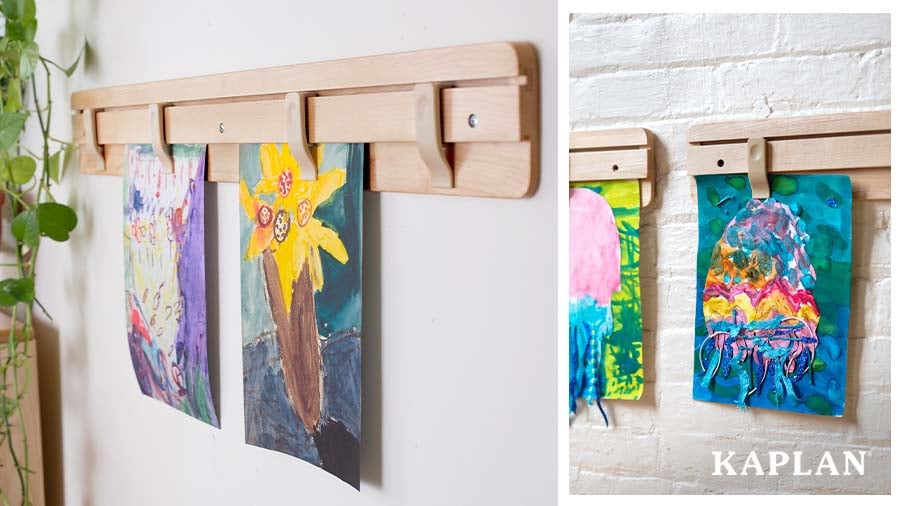
- Showcase children's current work. Replace old artwork with children’s most recent creations. Allowing children to co-create wall spaces with their work gives them a sense of ownership while keeping the environment fresh.
- Keep displays at children’s eye level. Place classroom visuals—such as vocabulary words, schedules, and learning posters—where children can easily see and engage with them.
A clean, well-balanced wall display that aligns with children's current interests and learning drives more engagement than a wall full of stale decorations. For more ideas for your wall space, check out Vertical Learning: How to Turn Classroom Walls Into Engaging Learning Spaces.
Transform your classroom into a more intentional, engaging learning environment
None of these updates requires a big budget or a major overhaul. You just need a willingness to look at your space with fresh eyes and make a few thoughtful changes. Better traffic flow, less clutter, fresher materials, and current displays can transform how a classroom feels and functions, often in less time than you'd expect.
Start with the area that needs the most attention and build from there. Even one change, like pulling furniture away from the wall or clearing a cluttered bulletin board, can shift the room’s energy.
It doesn’t take much to create a space where children feel focused, calm, and ready to learn. But if you're ready for a bigger transformation, Kaplan's full-service classroom design team can help you reimagine your space from the ground up.