Behind every classroom meltdown is a child who hasn't yet learned how to cope with big feelings. Frequent tantrums or outbursts often mean that children feel overwhelmed and unsure how to manage their emotions. In busy early childhood classrooms, these moments can be tough for both children and educators.
So, how can you turn moments of chaos into calm in early childhood classrooms—or prevent them before they even begin?
Creating a calm-down space offers children a safe, supportive place to pause, express their feelings, and reset. Keep reading to explore the benefits of calm-down spaces and how to create an area that promotes calm, security, and emotional growth.
Why are calm-down spaces important for young children?
Self-regulation is not something we are born with. According to Julie Tourigny, OTD, MS, OTR/L, author of Calm and in Control: Simple and Effective Strategies to Support Young Children's Self-Regulation, it’s a skill we learn and strengthen over time. In fact, most children learn to self-regulate between the ages of three and seven.
Many children in early childhood classrooms are still learning to self-regulate. As infants, they rely on caregivers for co-regulation. But as they shift to managing their own feelings, they often struggle to stay focused, control their impulses, or calm down when emotions run high.
Creating a calm-down space is one way to teach, support, and model self-regulation skills in the classroom. These spaces offer children an opportunity to retreat and calm their minds and bodies when big emotions feel too hard to handle.
They also:
- Provide a designated area to process intense emotions without disruption.
- Equip children to calm themselves and regain control.
- Teach children to recognize when they need a break.
- Help prevent large classroom disruptions that interrupt learning.
When children know they have a safe space to go, they feel more secure throughout the day. With practice, they build the skills and confidence to manage intense emotions and take ownership of their behavior.
Keep in mind that calm-down spaces aren't a time-out for negative behavior. According to Push Past It! A Positive Approach to Challenging Classroom Behaviors by Angela Searcy, EdD, children should go to the calm-down space on their own. Putting a child in a time-out can lead to other disruptive behaviors. Calm-down spaces, on the other hand, teach children how to regulate their emotions.
How should you design your classroom's calm-down spaces?
Creating an effective calm-down space requires thoughtful planning. The space should feel safe, comfortable, and inviting for children who feel overwhelmed. Here are four practical classroom design tips to consider.

1. Stick with natural and neutral colors
Bright primary colors—red, yellow, and blue—are the standard aesthetic for early learning environments. They often appear in furniture, toys, educational materials, wall paint, and visual displays.
But in Inspired by Nature: Designing Play Places for the Littlest Learners, authors Sandra Duncan, EdD, and Christine Burkholder share educational research showing that bright primary colors and overly decorated classrooms can disrupt children's behavior. Red, for example, can excite and energize young children. But it may also lead to more aggression and less focus.
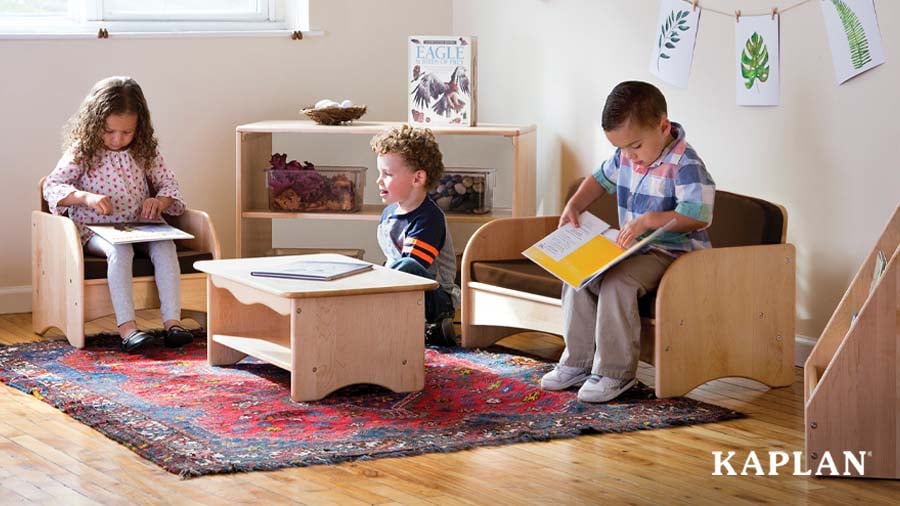
According to Duncan and Burkholder, natural and neutral colors work best for calm-down spaces. Colors often found in nature, such as soft shades of gray, green, blue, and beige, calm the mind and body, foster well-being, and create a serene space.
Below are a few ways to incorporate natural and neutral colors in your calm-down space:
- Wall color: Use just one neutral wall color, or hang nature-themed wall prints in the space.
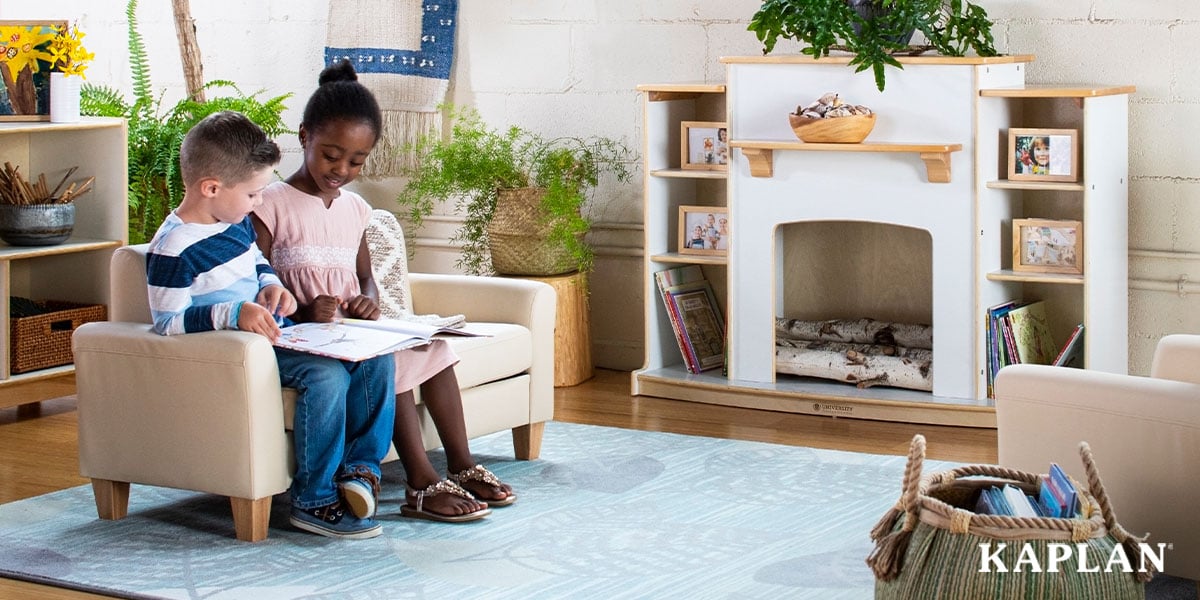
- Furniture colors: Select natural-color furniture, such as wooden or wicker pieces from our Carolina Birch furniture collection.
- Area rug colors: Choose a rug with minimal patterns, prints, or designs that match the space's general color theme.
- Toy colors: Avoid brightly colored plastic toys. Instead, use wood-based toys and authentic items, such as kitchen tools or pots and pans.
2. Use soft furnishings
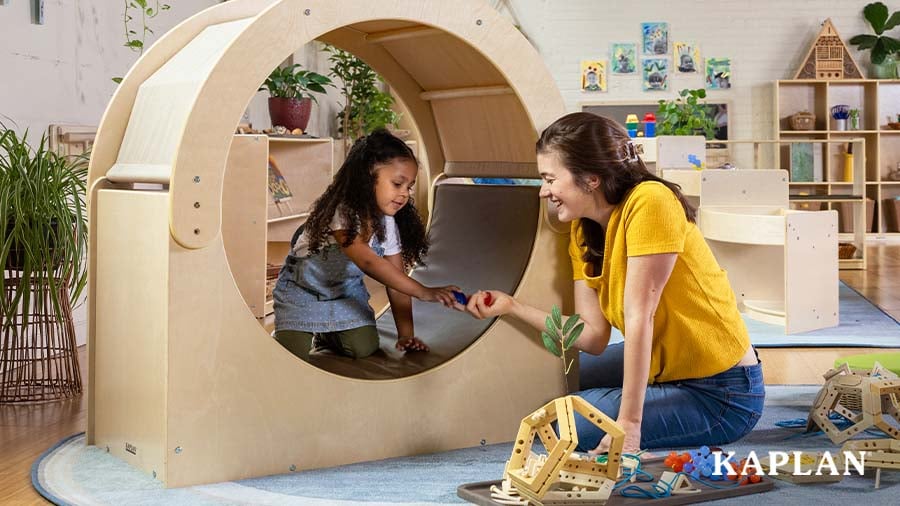
Soft, cozy furniture helps children feel safe and supported in the calm-down space. Plush seating, cushions, and gentle textures signal that this is a place to relax and let their bodies settle. Just like adults feel more at ease in a comfortable chair, children experience that same sense of comfort and relief when they enter a space filled with soft, inviting materials.
Consider adding these soft furnishings to your calm-down space:
Comfortable seating options, such as cozy couches, poufs, beanbags, and floor cushions, provide physical comfort as children decompress and calm themselves.
Weighted items, such as a lap pad or blanket, provide deep pressure that can help children feel grounded and secure. According to Calm and in Control, deep pressure input promotes self-regulation and helps children feel alert and calm.
Plush toys like a Warmies® Plush Animal or cuddle dolls provide a “friend” for children to hug when they’re seeking comfort or need help regulating their emotions.
For more ideas on creating cozy classroom spaces, check out Cozy Hideaways: Mimicking Mushrooms in Your Classroom.
3. Quiet the noise with soothing nature sounds
Early childhood classrooms are noisy. At any given moment, you might hear children chuckling, toys clinking, or chairs scraping against the floor. In Inspired by Nature: Designing Play Places for the Littlest Learners, Sandra Duncan, EdD, and Christine Burkholder compare early childhood classrooms to tropical rainforests. Both places flourish with constant sounds.
According to Duncan and Burkholder, these loud sounds can increase children's stress levels. In turn, increased stress can lead to negative behaviors that hinder growth and development.
Here's how to help muffle sounds in the calm-down space:
- Incorporate soft materials to reduce noise. Add rugs, cushions, and fabric wall hangings to absorb sound and limit echo. Thick curtains or fabric panels can also help minimize noise from the rest of the classroom.
- Choose a quieter location within the classroom. Whenever possible, place the calm-down space in a low-traffic area, away from louder learning centers and busy pathways.
- Use calming sounds to create a peaceful atmosphere. White noise or gentle nature sounds can help fill the space with consistent, soothing audio that supports relaxation. This is especially true during high-stress moments.
4. Include sensory support tools
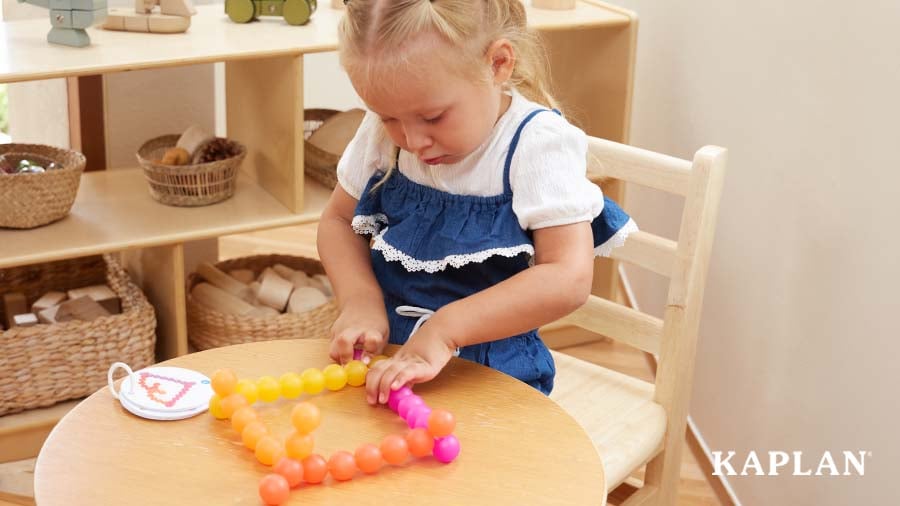
Children may feel overstimulated in the classroom environment and respond with intense emotions. Adding sensory tools in the calm-down space can help children get their bodies and brains into a calmer, ready-to-learn state. Whether it’s blocking out excess noise or providing a steady point of focus, these tools support emotional regulation and focus.
Consider including these sensory support tools in your calm-down space:
- Fidget tools like squishy balls, textured items, or small manipulatives give children something to do with their hands while they calm down.
- Noise-reduction headphones that are soft, comforting, and reduce sound by 27 decibels.
- Sensory bottles filled with glitter, beads, or liquid offer children a calming visual as the contents slowly settle.
- Breathing tools such as pinwheels, bubbles, or feathers help children practice deep-breathing exercises. This simple blowing action helps to slow their heart rate and calm their bodies.
Place these sensory tools in a "calm-down box" that children can easily reach once they're in the space. Encourage them to choose the item that best helps them manage their emotions.
Use calm-down spaces to support regulation and prevent disruptions before they begin
Calm-down spaces are key for helping young children develop self-regulation skills. When children have a place to go when big feelings arise, they learn to recognize their emotions, calm their bodies, and regain control. These are all critical life skills that will serve them well beyond the classroom.
Thankfully, you don't need a complete classroom overhaul to create an effective calm-down space. Start with one or two simple changes, such as adding soft cushions, playing gentle nature sounds, or incorporating natural-colored materials. These small shifts can make a big difference in helping children feel safe, supported, and ready to re-engage.
Ready to take it a step further? Kaplan's full-service classroom design team is here to help! We'll partner with you to create a calm, serene environment that keeps children focused, regulated, and prepared to learn. Reach out to our design experts today to kickstart your classroom transformation.