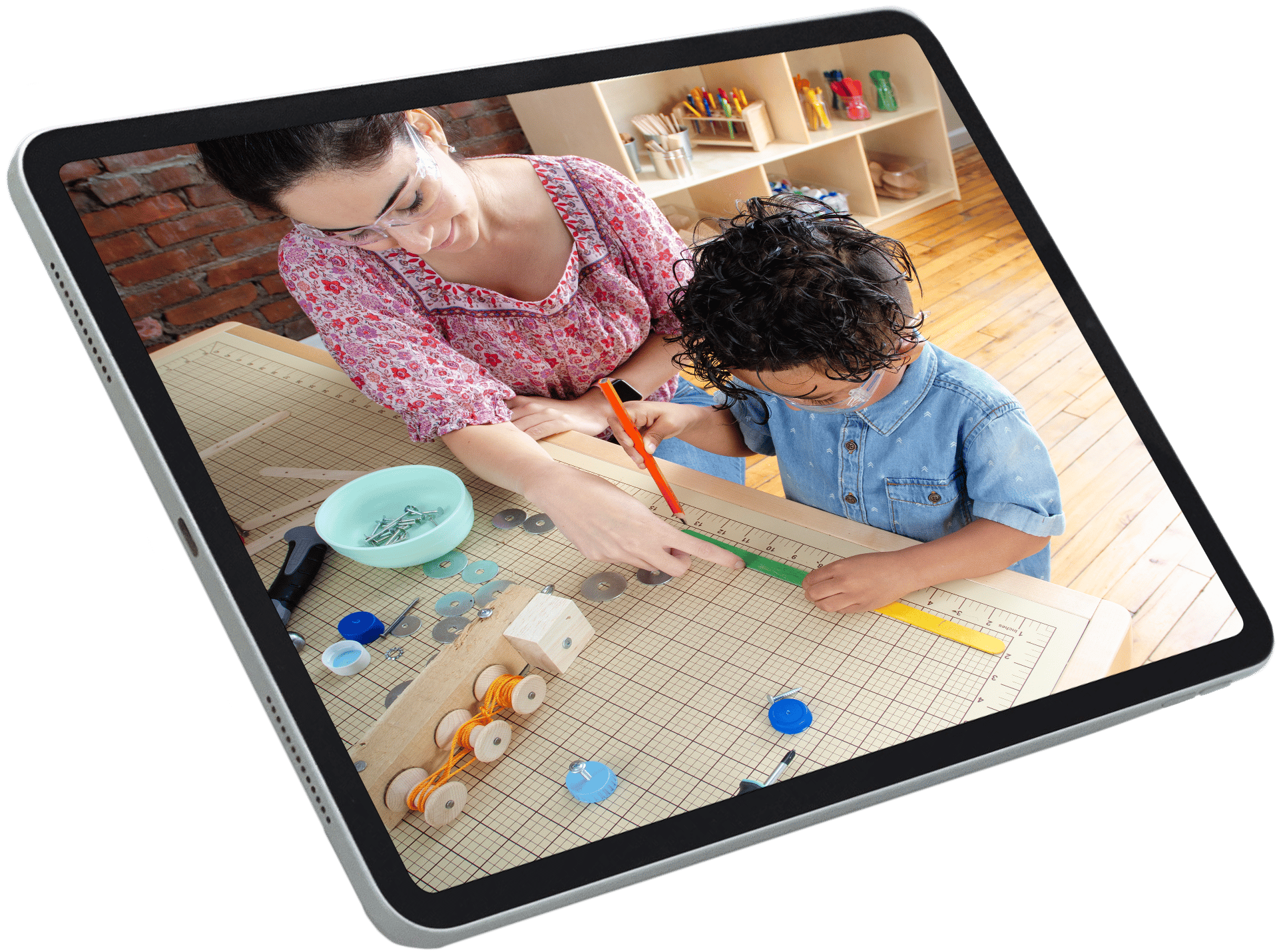
Young children are naturally full of energy and curiosity. Their attention can shift at a moment's notice. In early childhood classrooms, this might look like wiggling in seats, talking out of turn, moving between centers before transition periods, or other behaviors that pull children away from learning.
But high energy isn't the problem. It's normal for young children to move, explore, and struggle to sit still for long periods. With the right strategies in place, educators can turn these spirited moments into opportunities for deeper learning and engagement.
In this article, we'll explore practical ways to channel young children's energy. By the end, you’ll have tips and tools to recapture their attention without disrupting classroom instruction.
What does high energy look like in young children?
High energy is normal and expected in young children. They’re naturally wired for movement and curious about their surroundings. Fortunately, there are a few subtle cues that can alert you when energy levels are rising. Spotting these early signs can help you prevent minor disruptions from derailing learning:
- Fidgeting: Wiggling in their seats, fiddling with clothing, or tapping their feet.
- Wandering attention: Daydreaming, looking around, or not responding to questions.
- Physical movement: Restless legs, getting up during lessons, or pacing the classroom.
- Increased noise or impulsivity: Making sounds, blurting out answers, or interrupting others.
It’s not always useful or realistic to stop or exclude a child from a lesson or activity due to off-task behavior. Instead, the goal is to notice these early cues and use strategies that channel children’s energy rather than suppress it.
Children with ADHD, however, may show these behaviors consistently and across different settings. These behaviors often go beyond what’s typical for their age. If you think a child may have ADHD, reach out to their family or caregiver. Refer them to a mental health professional for a formal evaluation.
4 practical strategies to channel high energy and re-engage early learners
The good news? There are simple, effective ways to redirect high energy into focused learning. These four strategies help children stay engaged while meeting their developmental need for movement and stimulation.
1. Foster a calm environment
Early childhood classrooms can be overstimulating for young children. This is especially true for those with sensory processing challenges. According to the Gryphon House book Wired Differently: A Teacher's Guide to Understanding Sensory Processing Challenges by Keriann Wilmot, OTR/L, too much visual or auditory input can heighten children's energy and disrupt their behavior.
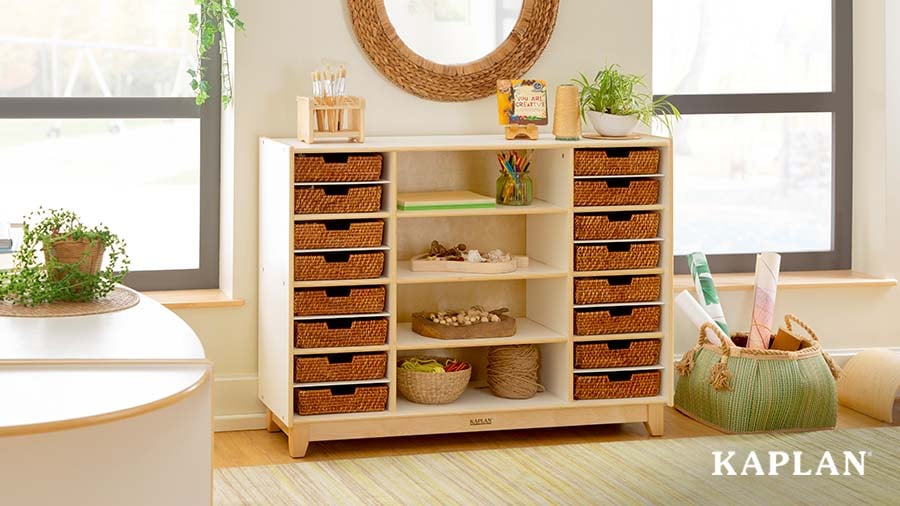
A calm, sensory-friendly environment doesn’t mean a bare classroom. It means being thoughtful about what children see, hear, and touch throughout the day. Below are some tips for creating a calm, serene space:
Reduce overstimulation. In Wired Differently, Wilmot explains that the classroom itself should be free of clutter. Keep toys and materials in bins and on low shelves, clearly labeled. Use sheets to cover materials when they're not in use, reducing visual distractions and clutter. While charts and displays add personality, avoid overloading walls with too much visual information.
Manage noise levels. Early childhood classrooms are noisy. Children giggling, paper rustling, and chairs scraping across the floor are common sounds in a busy classroom. But these sounds can also increase stress and make it harder for children to focus.
When possible, aim to reduce noise levels at specific times of the day. Play quiet, rhythmic music or white noise in the background to buffer startling noises. Offer noise-reduction headphones to children who are sensitive to loud noises to keep them calm and comfortable.
Use natural or LED lighting. Filling the classroom with natural light is best whenever possible. If your classroom has fluorescent lighting, consider replacing it with LED bulbs or toning it down with light filters. According to a paper presented at the Environmental Design Research Association (EDRA) conference, harsh lighting may contribute to distraction or discomfort. Lighting that mimics natural daylight supports alertness, focus, and engagement.
There may be times when a child needs to retreat to reset, regulate, and regain control. Check out Calm-Down Spaces: Why Every Classroom Needs One for guidance on creating an effective calm-down space.
2. Make learning playful and stimulating
When children are engaged in play, they're naturally focused and motivated to learn. The challenge isn't getting their attention. It’s designing play that makes learning just as fun and engaging.
Contrary to what some may think, play isn’t a break from learning. Rather, play supports development across many domains—physical, social, emotional, language, and cognitive—according to an article published in Learning to Teach Language Arts, Mathematics, Science, and Social Studies Through Research and Practice. When learning feels like play, you can channel children’s energy into focus, engagement, and deeper understanding.
Try a different way to teach the same lesson to extend and transform learning:
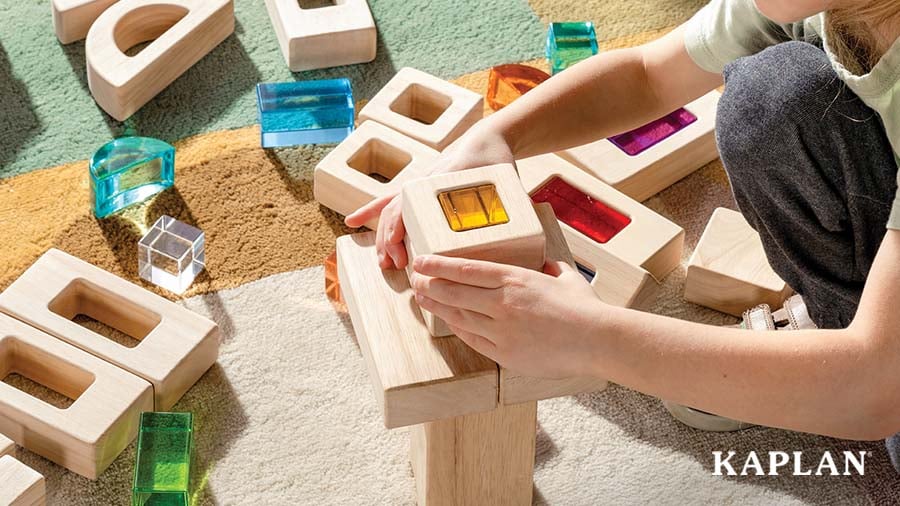
For block play: Instead of building at a table, transition to a light table to illuminate the learning space. The new setting draws attention and invites more movement. Swap traditional blocks with translucent pieces to create a more immersive experience.
For social-emotional learning: Move beyond behavior management and opt for activities that strengthen social-emotional skills while redirecting high energy. Children can play cooperative games, practice gentle yoga movements, or role-play real-life scenarios in the dramatic play center.
For early literacy: Take a break from letter worksheets and pair literacy with movement. Have children use their bodies to make letter shapes, sing phonics songs with actions for every sound, or embark on a letter scavenger hunt. These activities keep high-energy learners engaged while building foundational literacy skills.
For science exploration: Are children tired of traditional science activities? Create an interactive experience that uses light, movement, and sensory play to bring science concepts to life. The Illumination Station uses augmented reality to project realistic colors and lifelike images onto the sand. Children can explore geography, topography, seasons, animal habitats, and more in a hands-on, interactive environment.
3. Add movement or brain breaks
This is one of the most powerful strategies for managing high energy in early childhood classrooms. In Wired Differently, Wilmot explains that young children need movement breaks every 15-20 minutes to stay focused and engaged. They help children release excess energy, so they can return to learning more focused and engaged.
Here’s how to use brain breaks:
- Schedule five-minute movement breaks. Brain breaks are brief moments for children to move their bodies and reset their focus. Just a few minutes is all you need.
- Sprinkle them throughout the day. Find ways to add movement breaks into your routine. Try using them right before teaching new or challenging content. However, it's not the best idea to do movement activities right before nap time.
- Kickstart learning with movement. In Wired Differently, Wilmot suggests starting circle time with movement. This helps children who need to release excess energy before sitting down.
Movement and brain break ideas from Wired Differently:
Songs with hand and body motions: Choose songs that give children the opportunity to move all their muscles and joints:
- "Head, Shoulders, Knees, and Toes"
- "If You're Happy and You Know It"
- "The Wheels on the Bus"
- "We're Going on a Bear Hunt"
- "The Hokey Pokey"
Quick classroom activities:
- Throw a five-minute classroom dance party
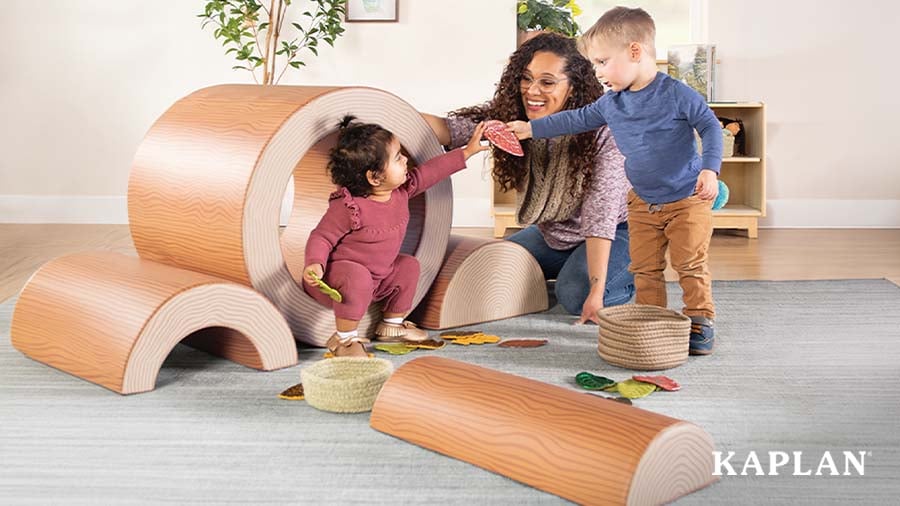
- Design obstacle courses with carpet squares, tunnels, or balance beams
- Practice yoga poses (downward dog, cat, cow, chair, tree) for 10-15 seconds each
- Create exercise routines: push-ups, sit-ups, planks, jumping jacks, hopping on one foot
- Encourage rocket-ship jumps: squat down, bounce to a count of ten, then blast off
- Pretend to be animals: stomp like dinosaurs, fly like butterflies, walk like bears, hop like frogs
These breaks allow children to move their bodies and return to learning with renewed focus.
4. Provide sensory-friendly tools
Sensory-friendly tools allow children to self-regulate without interrupting instruction. They give children ways to move, fidget, and seek input while still taking part in classroom activities.
According to Wired Differently, having a variety of flexible seating and sensory tools helps everyone, not just children with sensory processing challenges. Children have different learning styles, and some thrive when they can move or fidget while they learn.
Flexible seating options: Wobble cushions, wiggle seats, and balance balls give children the movement they crave while sitting. Allowing children to move in their seats helps them stay focused and engaged in classroom activities.
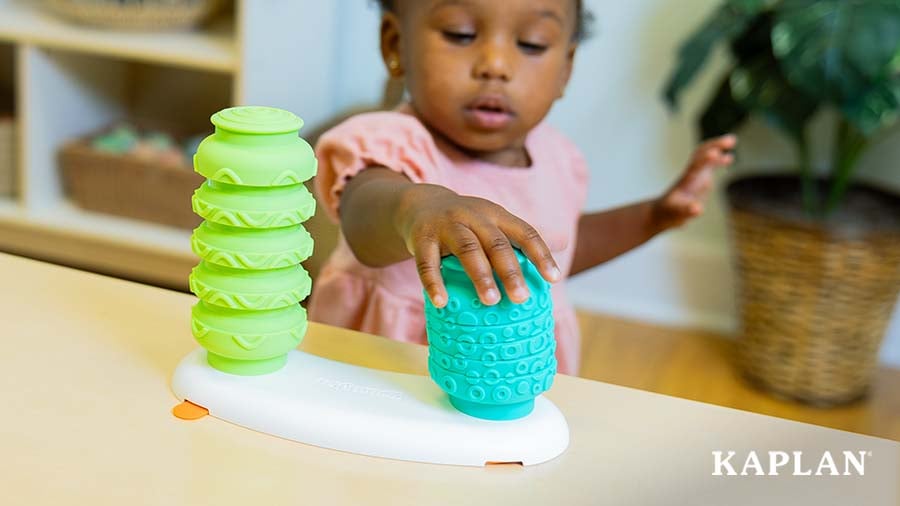
Fidget tools: Fidget toys like squishy balls, textured items, and poppers help children focus while keeping their hands busy. For children with “wiggly” hands, fidgets help channel their energy without disrupting them.
Weighted items: Weighted lap pads or stuffed animals provide deep pressure input, which can help create a sense of calm. These items help children stay calm and attentive during circle time, teacher-led lessons, or seated activities.
Transform high energy into high engagement in early childhood classrooms
High energy doesn't have to fuel chaos. By meeting children’s needs for movement, sensory input, and choice, you can foster a classroom where spirited learners thrive. From calm-down spaces to movement breaks, children get the tools they need to stay focused and engaged, even when their energy is at its peak.
Ready to bring these strategies to life? Explore Kaplan’s collection of sensory toys, manipulatives, and materials to support movement, regulation, and engagement in the classroom.