The back-to-school season is full of changes for children starting preschool or kindergarten. There are new people to meet, friends to make, and routines to learn. Some are even leaving their parents for the first time.
As expected, this transition isn't easy. From separation anxiety to "back-to-school blues," this time of year can feel overwhelming for little ones. It can ripple through the classroom, making it harder for teachers to maintain a calm and focused environment.
So, how can you help young children cope with first-day jitters? What tools can you use to ease their anxiety and create a calm, supportive classroom at the start of the year? That's where social-emotional learning comes in. It equips children to handle big feelings, adapt to changes, and start school with confidence.
Starting a new school year comes with challenges. But it's also a chance to boost children's social-emotional skills—helping them navigate new routines, peers, and expectations with ease. From fidgets to weighted blankets, we've rounded up our top 5 products to support children’s social-emotional health during the back-to-school season. Read on to learn how the products reinforce the skills children need to settle into a new school year.
How can social-emotional learning help children start the school year strong?
Back-to-school stress and anxiety affect young children in many ways. Some may experience separation anxiety when leaving their parents for the first time. Others may have the "back-to-school blues" as they shift from summer vacation to the classroom.
This stress often shows up in children's behavior. They may fidget during story time, overreact to minor issues, or cause disruptions during transitions. Some children may become clingy with teachers, while others might withdraw from group activities.
These behaviors can create challenges for the whole classroom, especially at the beginning of the school year. Teachers are setting rules and routines, introducing new lessons, and helping children feel safe and welcome. When children struggle to adapt to change, it's harder to create the calm, focused environment necessary for learning.
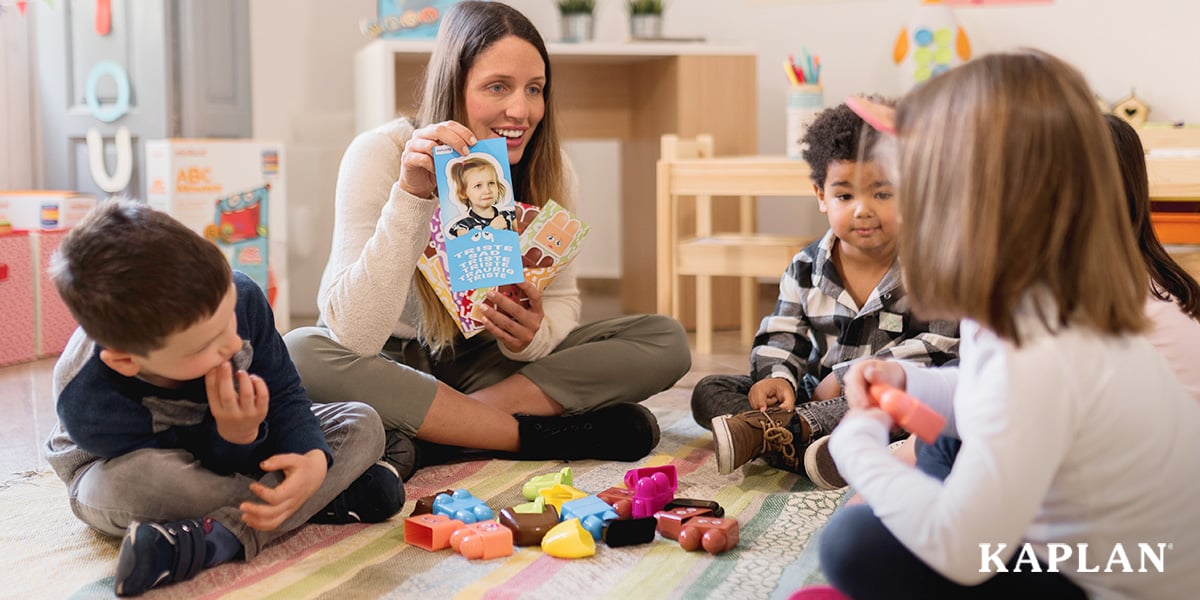
But social-emotional skills can help. These skills give children the tools they need to recognize their feelings, manage their emotions, and navigate change. The goal is for children to feel safe and confident in their new classroom. When that happens, they can focus on learning and connection instead of battling with overwhelming emotions.
5 products to boost SEL during back-to-school season
With the right products, you can create a classroom that strengthens children's social-emotional growth. Below we've listed five categories of products that boost SEL skills. These tools help children beat back-to-school anxiety and gain confidence to thrive during this critical transition.
 1. Developmentally appropriate books
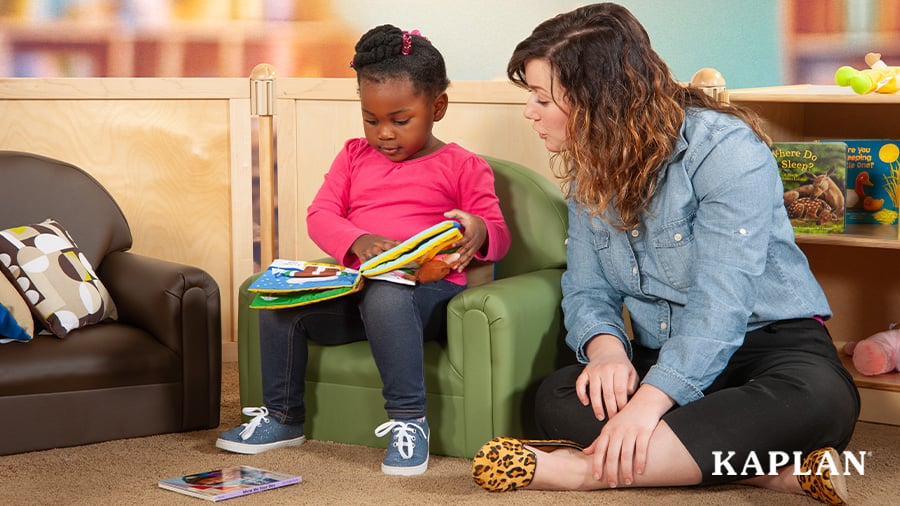
Books are powerful tools for helping children recognize emotions, express their feelings, and cope with first-day jitters. Stories that reflect their own experiences help them feel less alone and more prepared for the challenges ahead.
How to use books to support SEL:
Use stories to normalize emotions. Pick books that show characters experiencing the same concerns children might have on their first day. It shows them that feeling nervous or scared is normal and that other children experience the same feelings.
Pair reading with discussion. After reading, ask open-ended questions like, "How would you feel in that situation?" or "What could you do to feel better?" Reflection helps children connect the story to their own experiences.
Model coping strategies. Highlight how characters calm themselves or solve problems in the story. This gives children strategies they can apply in real life.
How to use them in the classroom: Read a book that captures feelings on the first day, like The Kissing Hand by Audrey Penn. This story follows Chester Raccoon, who doesn't want to go to school. Chester's mom gives him the comfort of her love by placing a kiss on his palm, a "kissing hand" he can feel whenever he misses her. It shows that back-to-school anxiety is normal and manageable, and gives children a concrete way to feel connected to family at school.
 2. Cozy classroom furniture
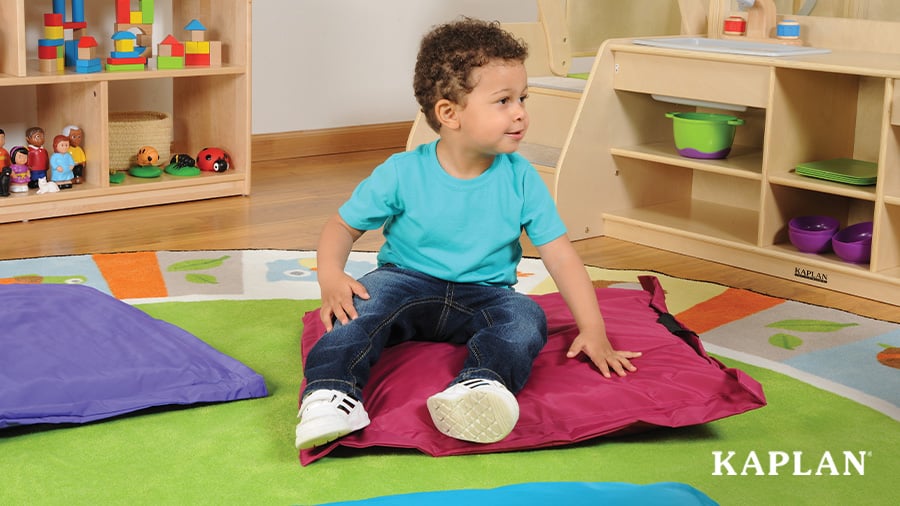
Cozy furniture creates a safe and inviting space for children who need a quiet moment in the classroom. Tents, plush chairs, pillows, and other soft furnishings create a gentle retreat where children can calm down and regroup.
Tips for creating a cozy space:
Set up your cozy area in a quiet corner of the classroom, away from high-traffic areas. Include soft textures like pillows, blankets, and stuffed animals that children can hold for comfort. Make sure the space feels private and safe, while still allowing you to supervise children who are using it.
Teach children how to use the cozy space appropriately. Explain that it's a place to go when they feel overwhelmed, need a break, or want to read books quietly. Set clear expectations about how many children can use it at once and how to care for the materials.
How to use it in the classroom: A cozy hideaway gives children a space to retreat when they feel overwhelmed. Here, children can practice managing their emotions safely and on their own.
 3. Mindfulness tools
Mindfulness teaches children to tune into the present moment and notice their thoughts and feelings without judgment. It can help create calm during both significant transitions, like starting school, and daily transitions, like moving from center time to circle time.
Ways to incorporate mindfulness:
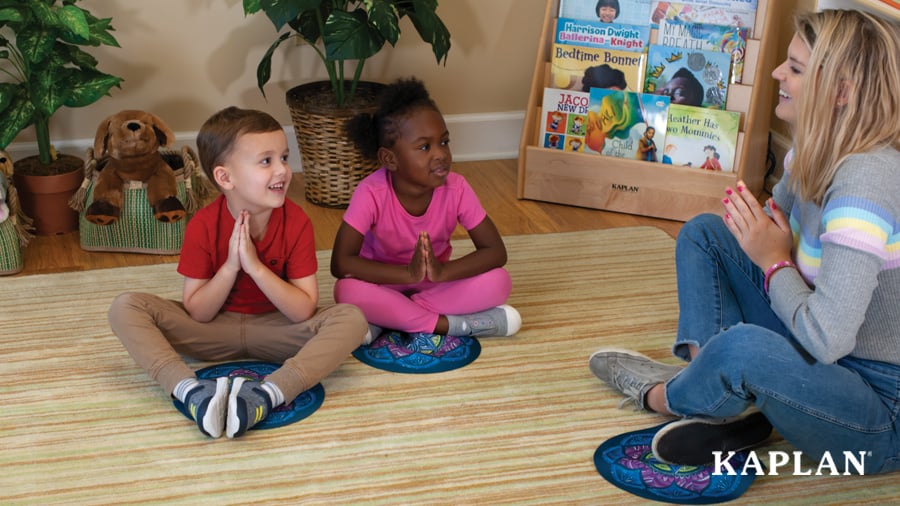
Start with short, simple practices that fit naturally into your daily routine. Try a brief guided breathing exercise right after arriving at school to help children transition from home to school. Or ring a chime as a mindful cue to help children calmly transition between activities.
Introduce mindfulness practices gradually. Children should see them as helpful “guides” rather than another rule to follow. Reiterate that they're tools to help them feel calmer, more focused, and ready to learn.
How to use them in the classroom: Start the day with brief mindful moments. Gather children on mindfulness mats and lead a short guided breathing exercise upon arrival in the morning. This practice provides a smooth transition from home to school and prepares their minds and bodies for learning. Try dimming the lights, playing nature sounds, or providing cushions to enhance these calming moments.
 4. Fidgeting solutions
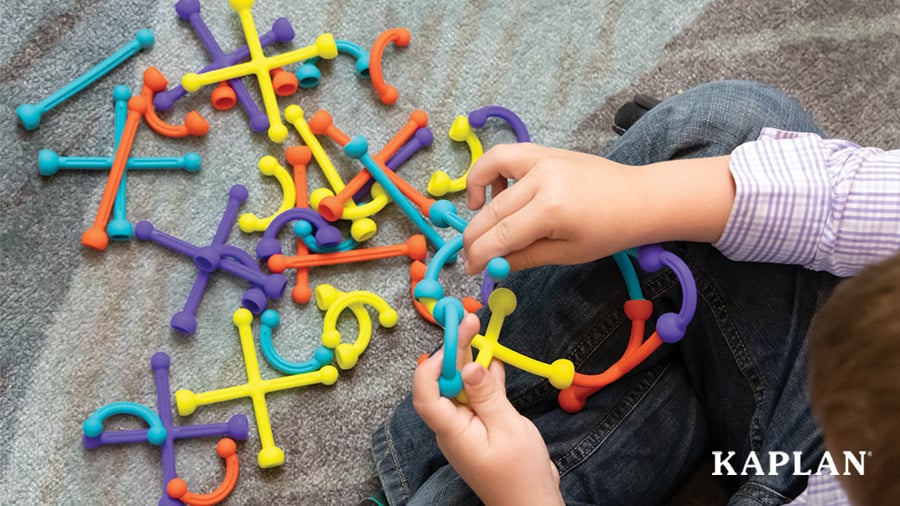
Fidgeting tools help children self-regulate—channeling excess energy and easing back-to-school anxiety. Some examples of appropriate classroom fidgets include sensory toys, flexible seating, and tactile learning tools. They allow children to release nervous energy while staying engaged in classroom activities.
How to use fidgeting solutions effectively:
There are a few things to keep in mind when using fidget tools in the classroom:
- Make sure children take breaks throughout the day. Too much stimulation can cause restlessness rather than calmness.
- Keep the tools within easy reach, like at children's desks or in a dedicated movement corner, to build independence.
- Set clear expectations about when and how to use fidgets. Explain that these tools help with attention and focus during work time, not toys for free play.
How to use them in the classroom: Create a "fidget basket" with a variety of options—like sensory balls, textured discs, or tangle toys. Let children pick a fidget when they feel anxious, overwhelmed, or need help focusing. The tools can help them stay engaged and focused without leaving their seats.
 5. Comfort items
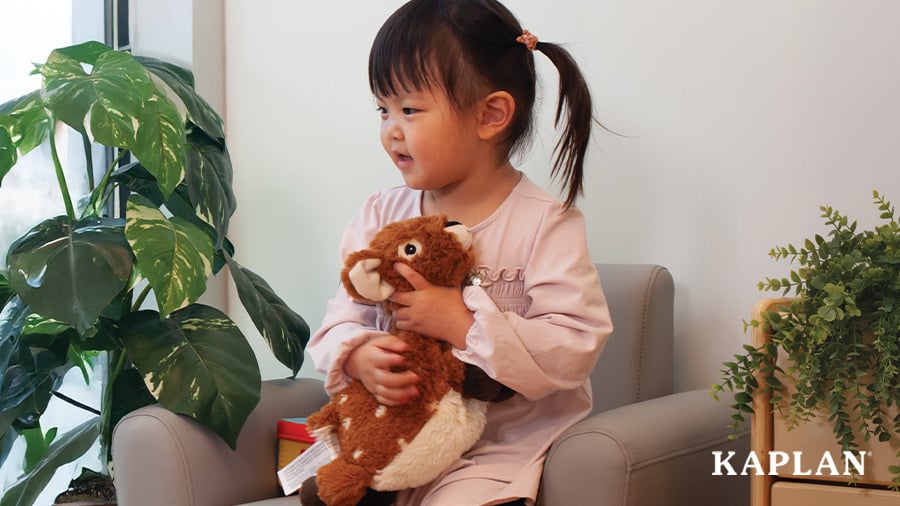
Comfort items help children manage big emotions, reduce anxiety, and learn to self-soothe. While fidgeting tools help children focus and self-regulate, comfort items promote a sense of peace and relaxation—offering emotional support in challenging moments.
Tips for using comfort items:
Keep a small selection in your cozy area or calm-down space where children can access them when needed. Teach children the difference between fidgets (for focus) and comfort items (for soothing). Also, choose items that are safe, washable, and appealing to young children. Weighted items like blankets or stuffed animals provide deep pressure that many children find soothing. Soft, cuddly plushies give children something comforting to hold.
How to use them in the classroom: Select a shared weighted stuffed animal that children can hold when they're feeling sad, scared, or overwhelmed. The gentle weight provides comfort and helps children relax when they're feeling intense emotions. For some children, holding something soft and huggable helps them feel more secure during stressful moments.
Start the school year strong with social-emotional learning tools.
Back-to-school season is the ideal time to prioritize social-emotional learning. These tools—from books to cozy furniture and fidget toys—help children feel safe, supported, and able to manage their emotions during big transitions.
Boosting social-emotional skills during those first crucial weeks will pay off throughout the entire school year. But these products alone won't cure the back-to-school blues. Children also need warm interactions, clear routines, and plenty of patience as they settle into their new environment. With the right approach, you can make the transition smoother and set the tone for a successful school year.