"No!" "Me do it!"
If you work in an early childhood classroom, you've likely heard these words more times than you can count. What might sound like defiance is often something much more meaningful at work—a young child’s growing sense of autonomy.
In the Gryphon House book Thinking Outside the Prize Box, author Adam Holland, PhD, explains that children have an inherent need for autonomy, or the ability to control their own experiences and actions. When classrooms don’t support this need, children may become less intrinsically motivated, enjoy school less, and push back against attempts at control.
So what does autonomy actually look like in an early childhood classroom? How can teachers support independence without sacrificing structure or safety? Continue reading to explore what autonomy means in early childhood, how it shows up in the classroom, and practical ways to nurture it—helping children grow into confident, empowered, and self-motivated learners.
What role does autonomy play in early childhood development?
According to Erik Erikson’s psychosocial theory, which outlines how children progress through social and emotional stages, autonomy begins in the toddler years and continues to develop throughout childhood. As young children assert their independence, they start making their own choices, solving problems, and taking responsibility for their actions in age-appropriate ways. This might look like a toddler helping to put toys away, a preschooler choosing where to sit during circle time, or a kindergartener working through a conflict without adult help.
Supporting autonomy is about more than just letting children do what they want. According to Erikson, it's about fostering a secure environment that promotes exploration, self-sufficiency, and initiative.
With proper guidance, educators can foster autonomy and build essential social-emotional skills.
Simple ways educators can support autonomy in the early childhood classroom
Creating opportunities for autonomy doesn't mean chaos or lack of structure. It means thoughtfully designing your classroom and routines so children can make meaningful choices within appropriate boundaries. The following strategies help you strike the right balance between guidance and independence.
1. Offer choices
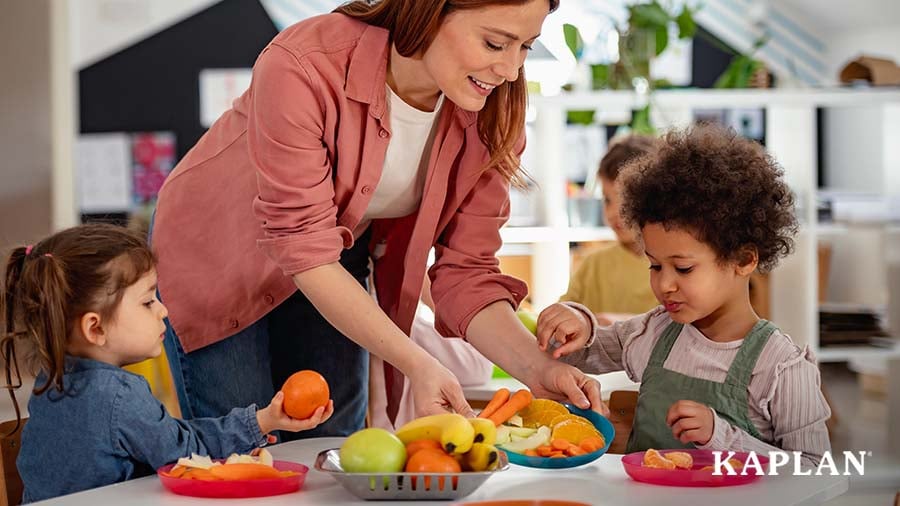
Offering simple choices is one of the easiest ways to support autonomy in the classroom. Even small decisions help children build confidence, practice decision-making, and feel in control of their day. You might ask, “Would you like apple slices or crackers for a snack?” or “Would you like to play in the block center or the art center first?” These simple choices support children’s growing independence.
Here are a few tips for offering age-appropriate choices to early learners:
- Stick to simple, easy-to-understand options: Offer 2-3 options rather than unlimited choices, which can overwhelm young children.
- Make choices meaningful: Ensure children are choosing between options that genuinely matter to them.
- Respect their choices: Once a child makes a choice, honor it unless safety is a concern.
2. Create a child-friendly environment
A well-designed classroom supports children in doing things independently. For example, choosing the materials they need or moving freely between classroom areas. It’s intuitive, predictable, and easy for children to navigate without relying on help from adults.
To design a space that shows children, “You belong here, and you can do things on your own,” try:
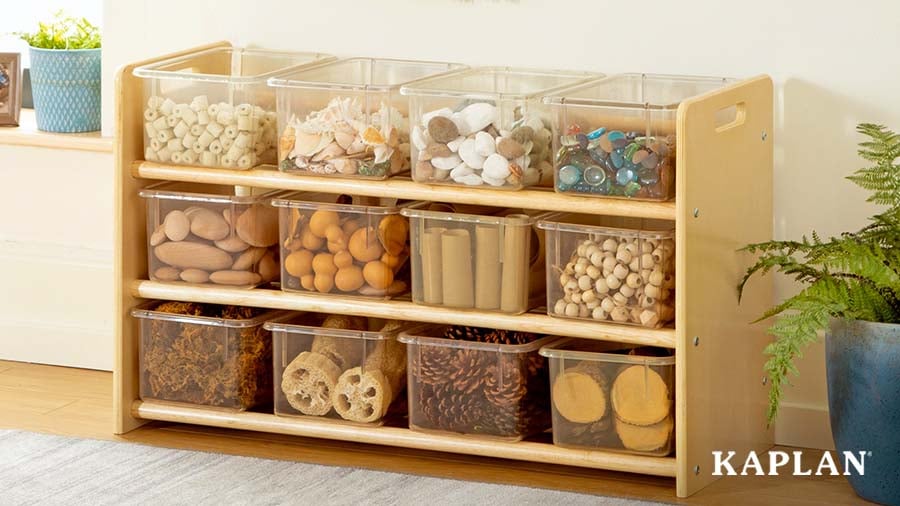
Choosing furniture that fits their size: Fill your classroom with child-sized furniture, like low shelves and cabinets, so children can access the toys, books, and supplies they need and put them away when they’re done.
Posting classroom rules and routines at children’s eye level: Use pictures or diagrams that children can easily understand and follow. Visual schedules help children know what comes next without needing to ask.
Creating defined learning spaces: Design clear, predictable spaces so children know where to go without adult guidance. Use area rugs, shelving units, or space dividers to mark different zones. A simple example is using a colorful carpet to define the circle time area.
Make cleanup easy: Store items in clear containers with labels (pictures for non-readers) so children know what's inside and where things belong. When children know where things go, they can clean up independently.
3. Assign age-appropriate responsibilities
Classroom jobs can be a powerful way to teach children responsibility and show them that their contributions matter. Through simple, manageable tasks, they practice taking ownership and accountability for their work.
Here are just a few examples of age-appropriate responsibilities for young children:
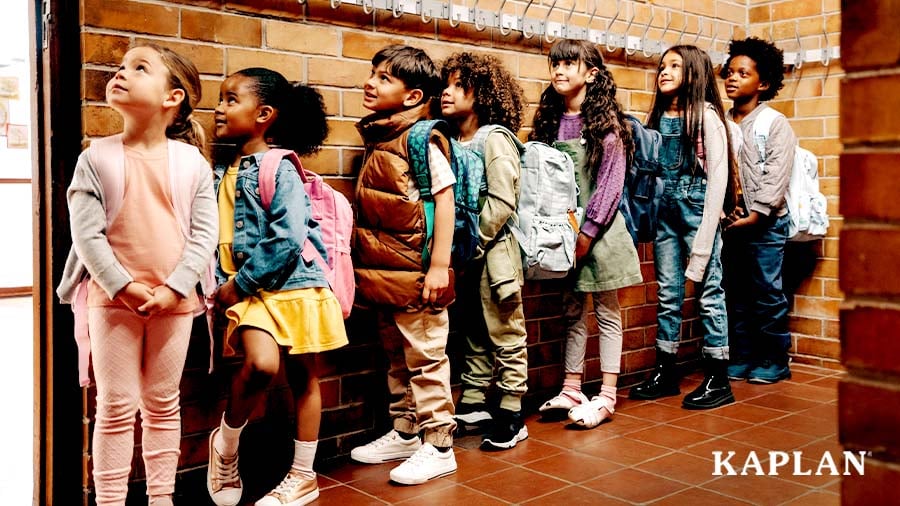
- Line leader: Leads the class when walking in the hallway
- Door holder: Holds the door for classmates
- Snack helper: Helps pass out napkins or snacks
- Weather reporter: Looks outside and reports the weather during circle time
- Toy inspector: Checks that toys are put away properly during cleanup
Rotate responsibilities weekly so all children can contribute, learn different skills, and feel included. Use a job chart as a simple visual system to make rotation more manageable.
4. Encourage open-ended play and exploration
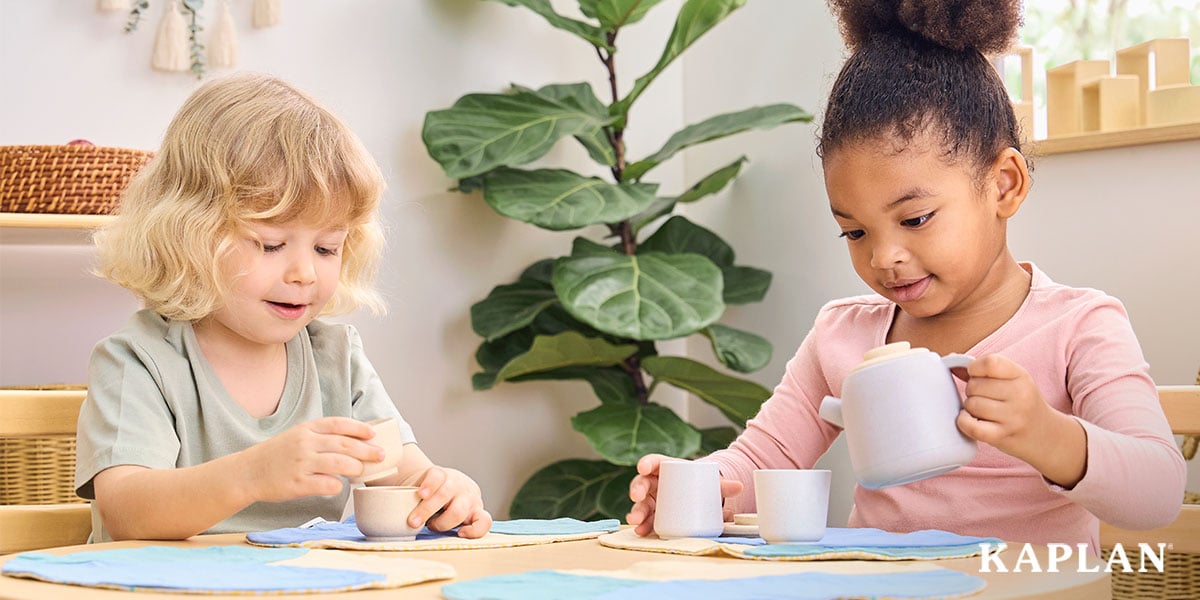
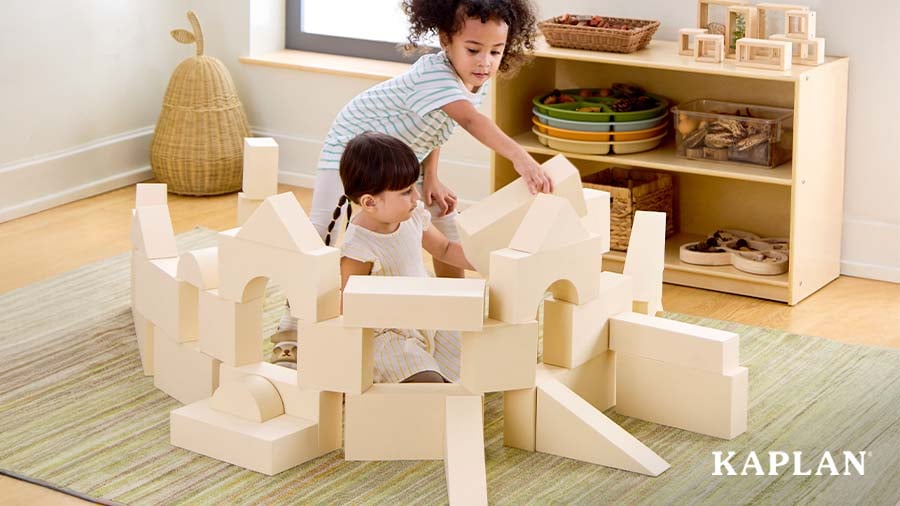
Open-ended play gives children control over how they use materials and what they create. There are no set instructions or clear start and finish points. During unstructured play, children set their own goals, solve their own problems, and explore their own interests.
To foster autonomy through open-ended play:
- Allow unstructured center time: Let children choose which learning center they want to visit and for how long. Blocks and dramatic play areas are perfect for open-ended exploration.
- Offer materials for imaginative art: Provide loose parts and a variety of art supplies without specific instructions. Give children space to imagine and create without a set template.
- Step back and observe: Resist the urge to direct play or fix problems immediately. Give children time to work through challenges on their own.
- Ask open-ended questions: Instead of showing children what to do, try asking: "What could you try?" or "How might this work?"
5. Model new concepts or skills
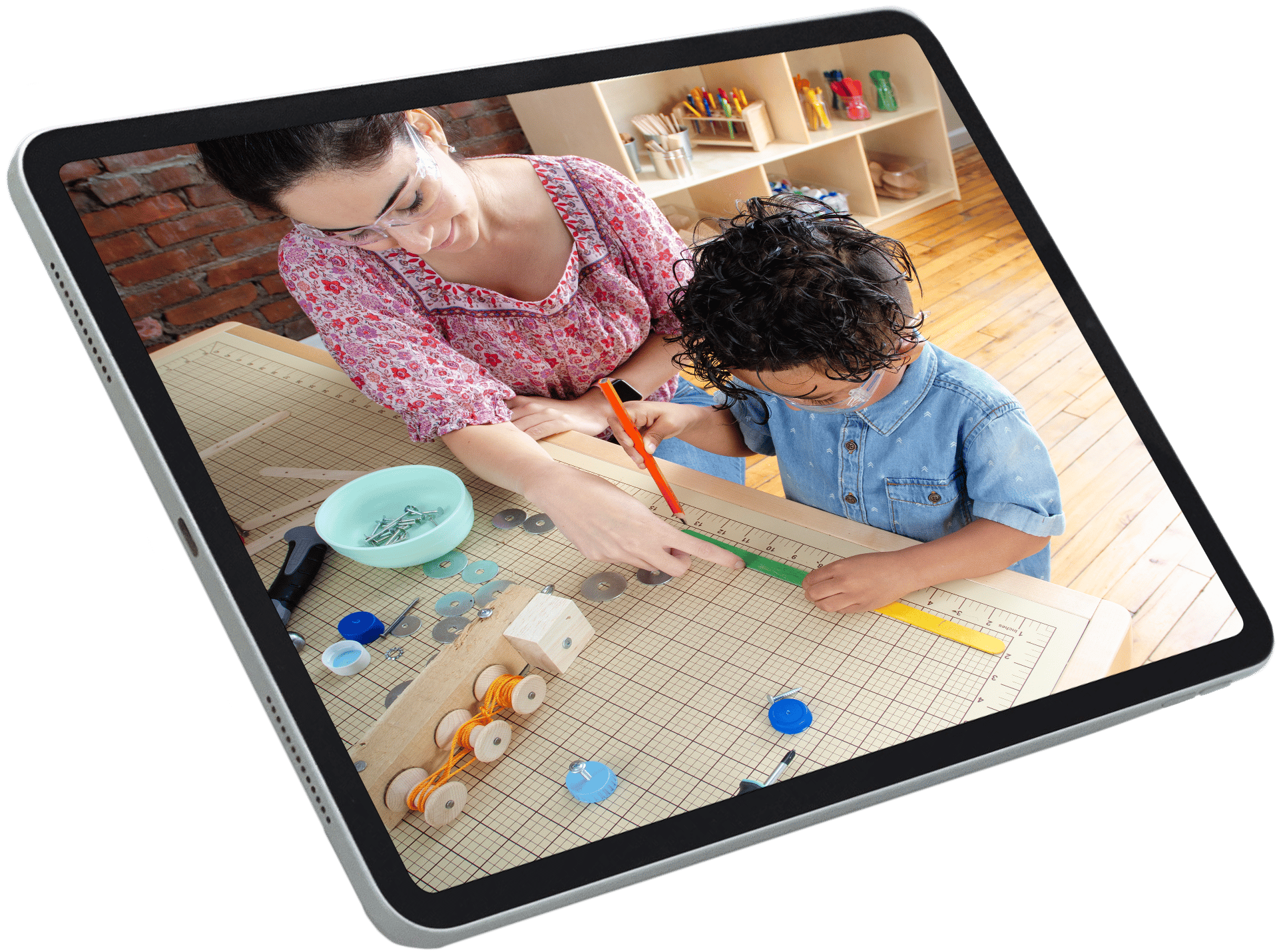
While independence is essential, young learners may still need guidance as they learn new skills. Modeling helps children learn tasks and gain the confidence to tackle them independently. Children watch, practice with support, then eventually perform tasks on their own—developing skills and confidence along the way.
To use modeling effectively:
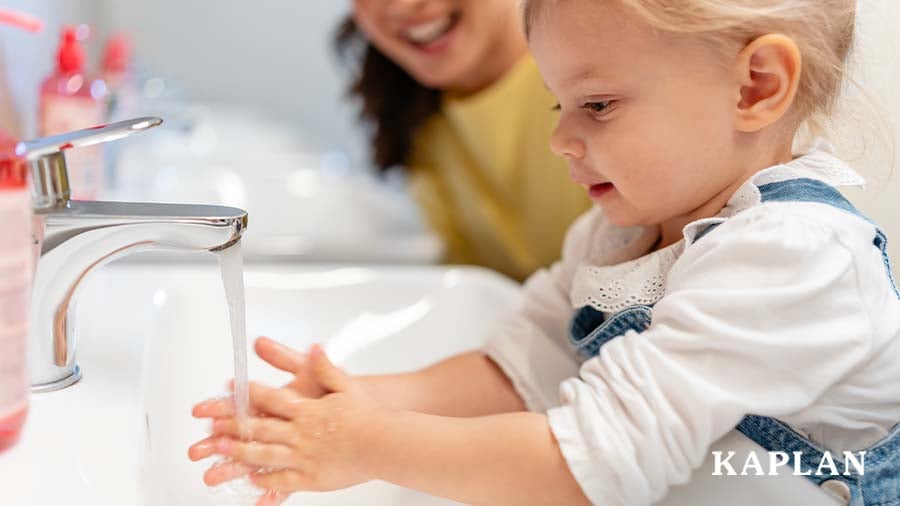
Demonstrate skills and tasks clearly: Show the complete process while explaining each step in simple language. For example, when teaching hand washing: "First, turn on the water. Next, pump soap into your hands. Now, rub your hands together..."
Practice together: Let children try the new skill while you provide gentle guidance and encouragement.
Gradually release responsibility: As children become more skilled, step back and let them try the task on their own. Stay in reach for support if needed.
Celebrate efforts: Praise children for trying, not just for perfect results. "You worked so hard to zip your jacket!" builds confidence more than "Good job."
Foster autonomy to nurture confident, resilient, and motivated young learners
Supporting children's autonomy isn't about giving them free rein without boundaries. It’s about creating a safe space where children can make choices, take risks, and learn from their decisions.
With the tips shared above, you can give children the tools they need to become capable, confident learners. These early experiences build the foundation for lifelong learning, problem-solving, and self-motivation.
Autonomy is essential for social-emotional growth, and educators need the right tools to support it. For practical ways to build social-emotional learning into your lessons and instructional practices, browse our upcoming professional learning sessions. They’re interactive, engaging, and offer expert guidance with strategies you can apply right away in the classroom.