Before children ever read a book on their own, they are already building the literacy skills that make reading possible. Through conversations, stories, songs, and play, they practice the foundational skills needed to become confident readers and writers.
However, becoming a skilled reader involves more than natural exposure to language. Early literacy doesn't develop on its own, according to Ready to Read: Using the Science of Reading in Pre-K and Kindergarten. Rather, it's taught through intentional, systematic instruction.
That’s why the early childhood curriculum you choose is one of the most important decisions for your program or district. A curriculum with strong literacy instruction forges a pathway to future reading success.
In this article, we compare the literacy components of three leading early childhood curricula: Connect4Learning, Nemours Children’s Reading BrightStartⓇ (NCRBS!), and Learn Every Day™. By the end, you’ll be ready to confidently choose the best-fit curriculum for your program.
How do leading early childhood curricula approach literacy for young learners?
Literacy instruction isn’t one-size-fits-all. Every program or district—and the children it serves—is unique. For this reason, one curriculum may be a better fit than another.
The best option for you is one that aligns with your program’s structure, budget, instructional goals, and classroom needs. To support your decision-making process, we’ve evaluated our three offerings using the following criteria:
- Approach to literacy instruction
- Key literacy skills supported
- Lesson format and structure
- Ages served
- Alignments
- Comprehensive vs. supplemental
- Materials and teacher support
- Integration with other domains
Below, we break down how each curriculum compares across these key areas.
1. Connect4Learning
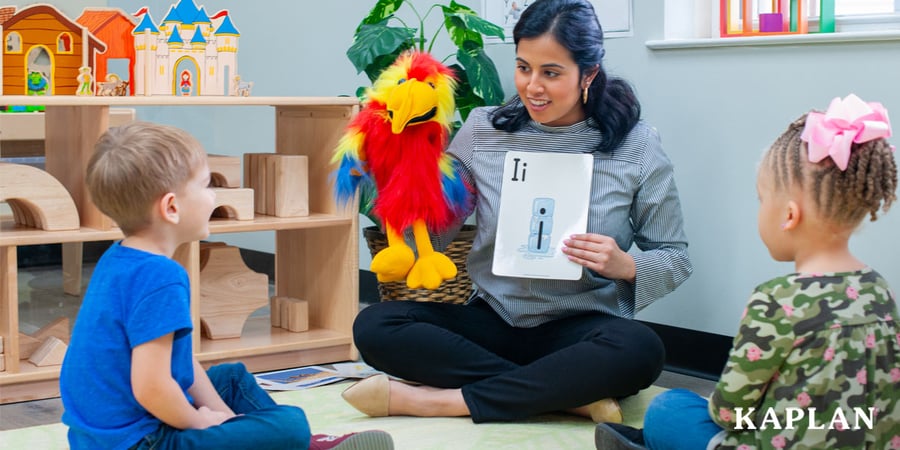
Connect4Learning: The Pre-K Curriculum weaves literacy into math, science, and social-emotional learning to support children’s growth across all developmental domains. Unlike many early childhood curricula, it doesn't teach literacy in isolation. Instead, Connect4Learning embeds early language and reading experiences throughout daily instruction and activities.
Children build key literacy skills—including phonological awareness, vocabulary, and early decoding—through integrated, hands-on experiences. Activities like games, songs, and shared read-alouds reinforce these skills in meaningful, engaging ways.
A key feature of the program is its use of authentic literacy alongside Science of Reading–aligned practices.
Authentic literacy delivers reading and writing experiences that reflect how literacy is used in real life. That means fewer isolated drills and worksheets, and more hands-on literacy experiences. For example, children might write invitations for a classroom event or follow simple instructions to help prepare a snack.
Connect4Learning also draws on Science of Reading research, using evidence-based strategies that support the way children best learn to read—embedded in daily instruction.
For example, in Unit 2: Our Environment, children explore theme-based vocabulary such as squirrel, nature, and earth. After a nature walk or scavenger hunt, they record observations in their science journals using their new vocabulary. These experiences connect language to real-world contexts while strengthening both scientific understanding and early literacy skills.
How does Connect4Learning support early literacy development?
Other factors to consider when evaluating curriculum options include:
How it supports literacy: Connect4Learning weaves literacy throughout math, science, and social-emotional learning. It shows up naturally throughout the day in games, songs, interactive writing, and shared read-alouds.
The program also provides a rigorous scope and sequence that promotes sequential learning. This means each component builds on the literacy skills children have already mastered.
Key literacy skills supported: Print awareness, phonological awareness, emergent writing, early vocabulary, letter knowledge, oral language
Ages served: Preschool-age children (3-4 years old)
Alignments: The program aligns to the Head Start Early Learning Outcomes Framework as well as many state-specific standards. Contact a Kaplan representative to review your state's alignment in detail.
Comprehensive or supplemental: Connect4Learning is a comprehensive curriculum that works with full-day and half-day programs.
What’s included: The Connect4LearningⓇ Complete Classroom Kit includes everything educators need to implement the curriculum for the school year, including:
- Six unit manuals with 32 weeks of detailed lesson plans, recommended activities, and materials lists.
- Teacher’s Handbook to support daily curriculum implementation.
- Principal’s or Director’s Handbook, providing guidance for supervising the implementation of the curriculum across their entire center or program.
- Classroom Book Set containing more than 120 titles, written for use with the Connect4LearningⓇ curriculum.
- Formative Assessment to track each child’s development and apply individualized teaching strategies. Connect4LearningⓇ also aligns with Teaching Strategies GOLDⓇ objectives for development and learning. This makes implementation with the assessment more streamlined and effective.
- One-year subscription to the Connect4Learning® Online Portal. The subscription includes digital access to lessons, formative assessments, and web-based learning activities.
- More classroom materials, like custom-made cards, custom games, classroom posters, and math manipulatives. These resources supplement instruction and deepen engagement.
Available training and PD: We offer a range of instructor-led and virtual training options to help you implement the program. We also provide ongoing training to explore adaptations and expand your knowledge and skills.
2. Nemours Children’s Reading BrightStartⓇ
Nearly 40% of students nationwide are unable to read at a basic level. Nemours Children’s Reading BrightStartⓇ (NCRBS!) is a research-based early literacy program designed to help close these critical gaps.
Developed by Nemours Children’s Health—one of the largest pediatric health systems in the United States—NCRBS! combines multisensory instruction with research from early education, child development, and pediatric health. The curriculum aligns with Science of Reading and early learning standards to support consistent, evidence-based literacy instruction.
Key features of the NCRBS! program include:
- Explicit, systematic instruction: Lessons follow clear, step-by-step routines with built-in modeling, practice, and review to ensure consistency across educators.
- Strong focus on phonological awareness: Activities target key phonological awareness skills like syllable awareness, rhyming, and phonemic awareness to build a strong reading foundation.
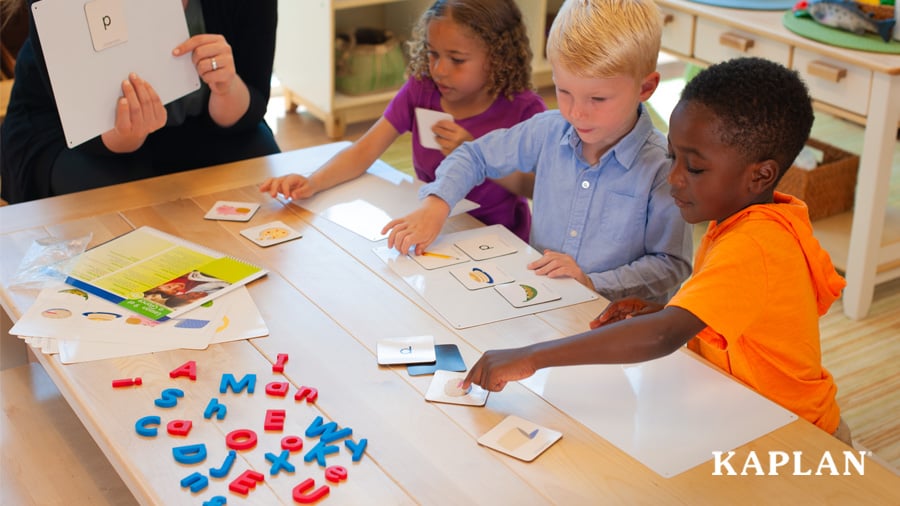
- Multisensory, screen-free learning: Children learn by seeing, hearing, doing, and touching—supporting engagement and developmentally appropriate instruction.
NCRBS! offers two program levels to support early and emerging readers from Pre-K through first grade:
- Level One: A unique, interactive, and fun program focused on building early literacy skills in preschool and 4-year-old classrooms.
- Level Two: An intensive program designed to strengthen foundational reading skills for kindergarten and first-grade students who need extra support.
How does Nemours Children’s Reading BrightStartⓇ support early literacy development?
The following elements come together to shape how NCRBS! approaches early literacy instruction:
How it supports literacy: NCRBS! uses small-group instruction delivered in 10- to 15-minute sessions. This structure encourages children to explore and take risks while giving educators a clearer view of each child’s progress.
Key literacy skills supported: Level One focuses on five foundational literacy skills:
- Print awareness
- Letter knowledge
- Phonological awareness
- Oral language
- Emergent writing
- Comprehension
Level Two reinforces the Level One skills and adds:
- Phonemic awareness
- Phonics
- Developmental writing
- Fluency
Ages served: Level One supports preschool-age children, particularly those in 4-year-old classrooms. Level Two works best for children in kindergarten and first grade.
Alignments: NCRBS! aligns with Head Start Early Learning Outcomes and can be adapted to meet federal, state, and district standards. It also aligns with the Response to Intervention (RTI) framework and serves as Tier 2 support for children who need extra literacy help.
Comprehensive or supplemental: NCRBS! is a supplemental curriculum and works with all of Kaplan’s curriculum options.
Literacy resources included: The Level One program consists of 20 small-group lessons with hands-on activities that reinforce early literacy skills. It also includes:
- 20 scripted lesson plans with learning objectives tied to state and national standards, observation sheets, and a family engagement component.
- In-depth instructional guide and technical manual for using the Level One program.
- Manipulatives that support lessons and help keep children engaged. Some examples include magnifying glasses, puppets, craft sticks, and magnetic letters.
- Book set for the read-aloud portions. The set includes classics such as Chicka Chicka Boom Boom and The Very Hungry Caterpillar.
- Milestone map in both English and Spanish to track children’s reading readiness and progress.
Level Two comprises 36 small-group lessons designed to help children develop skills quickly and confidently. The complete set includes:
- 36 lesson plans with corresponding multisensory materials, 300+ reading activities, learning objectives aligned with Common Core State Standards, a family engagement component, and adaptive and accelerated strategies.
- Skill development checklists for monitoring children’s progress.
- In-depth instructional guide for using the Level Two program.
- Book set for read-aloud portions.
- Manipulatives kit to supplement lessons.
- Chart book of rhymes and poems.
Available training and PD: Nemours® Reading Brightstart! offers program-specific professional development and customized training for effective implementation. Educators can also take NRBS! Certified Trainer courses that provide tools and guidance for delivering high-quality literacy instruction for young children.
3. Learn Every Day™
Children learn best when they are exploring, sharing, and engaging with ideas. And that’s where Learn Every Day™ excels.
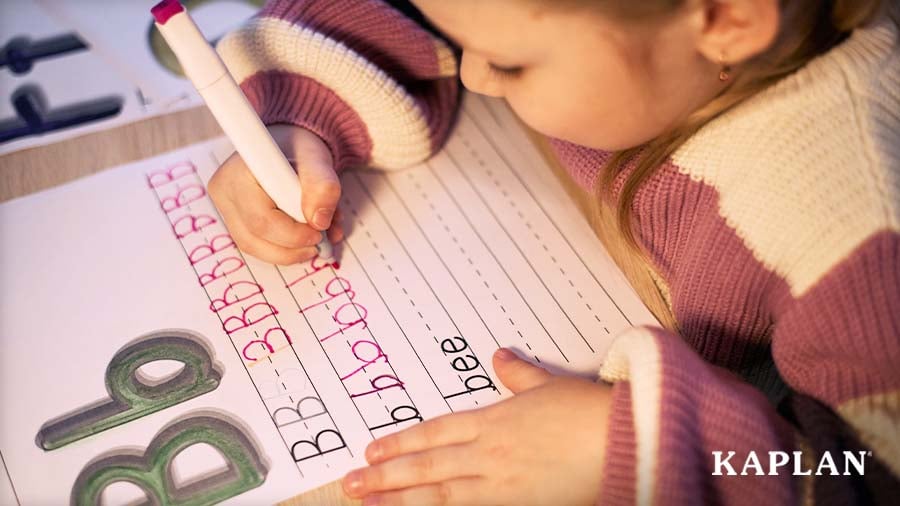
This research-based curriculum uses a multisensory, play-based approach to support learning across literacy, math, science, social studies, and the creative arts.
It blends large-group instruction and independent play to reinforce foundational literacy skills. During the daily morning circle, for example, children read books, learn new vocabulary, and discuss weekly themes. The heart of the curriculum, however, is its small-group activities and learning centers. These hands-on, play-based experiences reinforce key literacy skills.
In Exploration 25: Learn Every Day About the Ocean, children learn vocabulary such as shark, crustaceans, and scavengers. Activities may include reading A House for Hermit Crab by Eric Carle, singing the “Counting Fish” song, or building an ocean-themed word wall. These activities are all designed to reinforce literacy and language concepts.
How does Learn Every Day™ support early literacy development?
Learn Every Day™ supports early literacy by combining play, hands-on exploration, and meaningful reading and writing experiences. Below are more factors to consider when evaluating curriculum options:
How it supports literacy: Learn Every Day™ blends instruction and guided play to strengthen early literacy and language development.
Key literacy skills supported: Print awareness, letter knowledge, phonological and phonemic awareness, oral language, emergent writing, and comprehension
Ages served: Preschool-age children (3-4 years old)
Alignments: The program aligns with Head Start Outcomes and state-specific preschool education guidelines in Georgia, Illinois, Ohio, and Iowa. We also offer correlations and classroom product lists for the Environment Rating Scales (ECERS-R & ECERS-3) and other quality initiatives.
Comprehensive or supplemental: Learn Every Day™ is a comprehensive curriculum that supports full-day and half-day programs.
What’s included: Learn Every Day®: The Preschool Curriculum, 2nd Edition includes a three-volume lesson guide with 36 weekly themes and 1,300+ multi-sensory activities. Each lesson supports dual language learners and includes adaptations for children with special needs. There's also a curriculum guide to help you set up and manage your learning environment.
Available training and PD: We offer virtual implementation training in half- and full-day formats.
A quick comparison of literacy instruction across leading early childhood curricula
See how Kaplan’s top curriculum offerings compare at a glance.
|
Criteria |
Connect4Learning® |
NCRBS! (Reading BrightStart®) |
Learn Every Day® |
|
Approach to literacy instruction |
Integrated across domains; authentic literacy aligned with Science of Reading |
Explicit, systematic, multisensory instruction focused on foundational reading skills |
Play-based, thematic instruction with literacy embedded across learning centers |
|
Key literacy skills supported |
Vocabulary, phonological awareness, early decoding, emergent writing, letter knowledge, oral language |
Phonological awareness, phonics, decoding, fluency, print awareness, emergent writing |
Print awareness, letter knowledge, phonological awareness, oral language, emergent writing, comprehension |
|
Lesson format & structure |
Daily integrated lessons with learning centers, songs, and read-alouds |
10–15 minute small-group sessions with scripted instruction |
Large-group instruction, small-group activities, and learning centers |
|
Ages served |
Preschool (ages 3–4) |
Pre-K through Grade 1 |
Preschool (ages 3–4) |
|
Alignments |
Head Start Early Learning Outcomes Framework; state standards |
Head Start, RTI Tier 2 framework, state/district standards |
Head Start Outcomes; select state standards; ECERS alignment |
|
Comprehensive vs. supplemental |
Comprehensive curriculum |
Supplemental / intervention program |
Comprehensive curriculum |
|
Materials & teacher support |
Unit manuals, book sets, assessments, online portal, PD |
Scripted lessons, manipulatives, assessments, book sets, family engagement tools |
3-volume guide, 1,300+ activities, classroom setup support, PD training |
|
Integration with other domains |
Strong integration across literacy, math, science, SEL, and arts |
Primarily literacy-focused with limited cross-domain integration |
Strong integration across literacy, math, science, social studies, and arts |
Choose the right early childhood curriculum to support strong literacy development
Early literacy is one of the strongest predictors of success in school and beyond. The curriculum you choose should deliver high-quality, evidence-based literacy instruction that reflects how children learn to read and supports their growth as confident readers and writers.
Regardless of which curriculum you choose, look for one that:
- Aligns with your program's goals and instructional approach
- Supports the developmental needs of the children you serve
- Equips educators with training, resources, and ongoing support
- Meets federal, state, and local early learning standards
Kaplan offers a range of curriculum programs for infant, toddler, early childhood, transitional kindergarten, and early elementary classrooms. Contact our dedicated Curriculum, Assessment, and Professional Learning (CAPL) Team to help you match the best product to your unique program needs.