Early childhood education isn’t just about teaching ABCs and 123s. It’s about creating experiences where children explore, discover, and grow in every area of development. That's exactly what the Connect4Learning Pre-K CurriculumⓇ delivers. It blends play and evidence-based instruction across math, science, literacy, and social-emotional learning to support the whole child.
A key factor that sets Connect4Learning apart is its alignment with the Pyramid Model. Using this approach, the curriculum weaves social-emotional learning into every lesson, promoting positive behavior, social skills, and personalized support across every domain.
Read on to learn how Connect4Learning uses the Pyramid Model to support social-emotional growth. But first, let's cover what the Pyramid Model is and why it’s so important in early childhood education.
What is the Pyramid Model?
The Pyramid Model is short for The Pyramid Model for Promoting Social-Emotional Competence. This framework provides research-based practices and strategies to support healthy social-emotional development. It's designed to support all children, even those with severe behavioral challenges.
The Pyramid Model comprises three tiers, or levels of support. Each tier emphasizes specific practices to build social-emotional skills and reduce challenging behaviors:
- Tier 1 (Universal supports): Positive, supportive relationships and environments for all children.
- Tier 2 (Targeted supports): Focused strategies for children at risk of delays or challenging behaviors.
- Tier 3 (Intensive interventions): Individualized support for children with persistent, significant needs.
The Pyramid Model is built on a trained, effective workforce. It works best when systems and policies are in place to help educators and support staff consistently put these practices into action.
Why does the Pyramid Model matter in early childhood education—especially now?
Many children start preschool without the skills to manage their thoughts, actions, and emotions. This trend is especially noticeable among those born before and during the COVID-19 pandemic. Research from the American Academy of Pediatrics (AAP) shows that these children are slightly behind on certain milestones, particularly in social-emotional development, due to extended isolation, mask-wearing, and increased screen time during the pandemic.
Gaps in social-emotional skills often show up as challenging behaviors. In turn, these behaviors make it harder for children to learn, build relationships, and thrive in the classroom. Yet, many early educators feel unprepared to manage these behaviors well, especially when a child has a disability.
The impact of the Pyramid Model in early childhood classrooms
The good news: The Pyramid Model equips educators to help children quickly build the skills they may lack. And when practices are used effectively, everyone benefits.
One study found that children exhibit stronger social skills and fewer problem behaviors when the Pyramid Model is implemented in early childhood classrooms. At the same time, teachers provide stronger emotional support, better manage behavior, and nurture a more positive classroom environment.
When combined with a comprehensive early childhood curriculum, the Pyramid Model supports every child's social-emotional growth, regardless of abilities.
How does Connect4Learning integrate the Pyramid Model?
Connect4Learning: The Pre-K CurriculumⓇ is a research-based, interdisciplinary program that integrates math, science, literacy, and social-emotional learning. The authors built the Pyramid Model right into the curriculum. This approach strengthens social-emotional skills while supporting positive behavior every day.
Here’s how Connect4Learning puts Pyramid Model strategies into practice in the classroom:
1. Starts with social-emotional learning to help children succeed in every area
The base tier of the Pyramid Model emphasizes universal social-emotional support for all children. With the Connect4Learning curriculum, learning begins with healthy social-emotional development. The Connect4Learning Pre‑K Curriculum: Addressing the Needs of Children from Under‑Resourced Communities resource notes that social-emotional skills shape a child’s attention, thinking, and self-regulation. They're the key ingredients to lasting success in school.
Connect4Learning’s first unit, “Connecting with School and Friends," provides a great example. During the first six weeks of school, this unit helps children build key social-emotional skills. Each lesson helps children connect with their peers, teachers, and the school. They learn to work together, make friends, and follow routines through engaging, hands-on activities.
Prioritizing social-emotional skills early sets children up for success as they move through each unit.
2. Embeds research-based strategies into daily lessons
The Pyramid Model emphasizes intentional, embedded social-emotional support. Connect4Learning brings this practice to life by reinforcing these skills in everyday learning experiences. Social-emotional skills aren’t taught in isolation. Instead, Connect4Learning embeds proven instructional strategies that support children’s growth into daily lessons, activities, and routines for consistent practice across every learning domain.
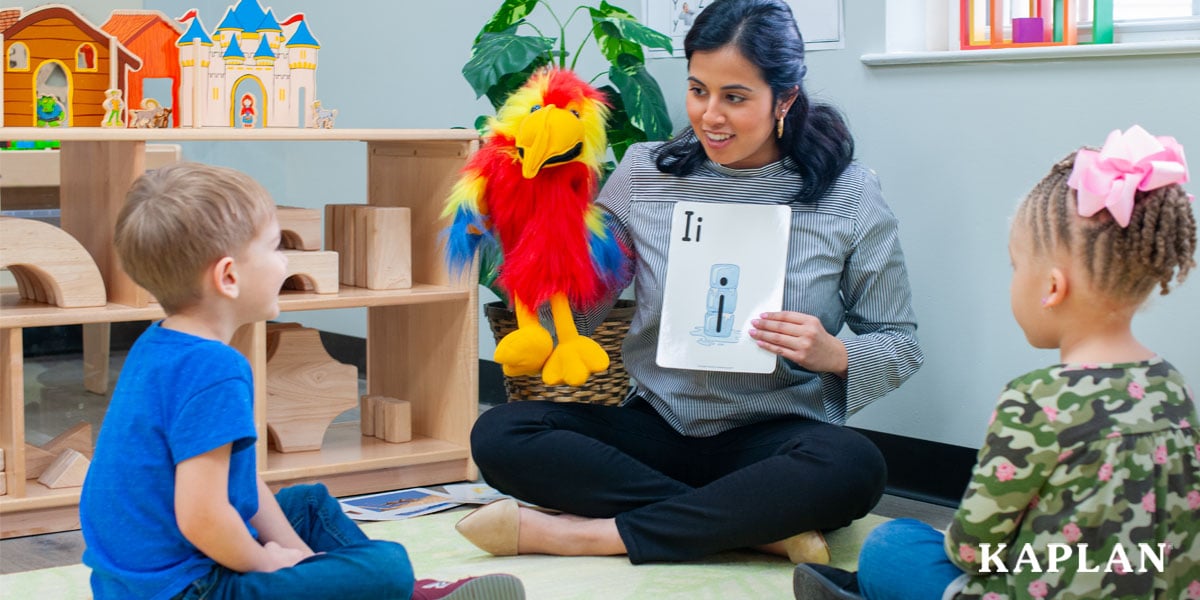
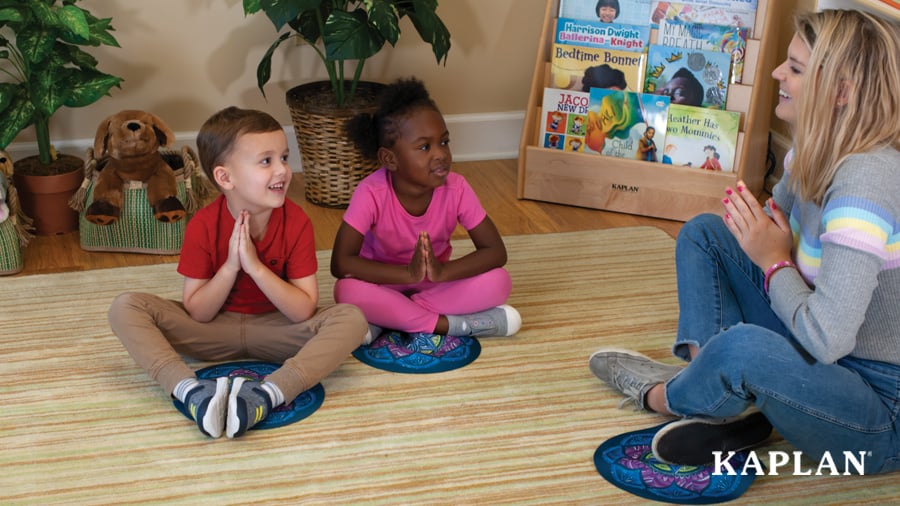
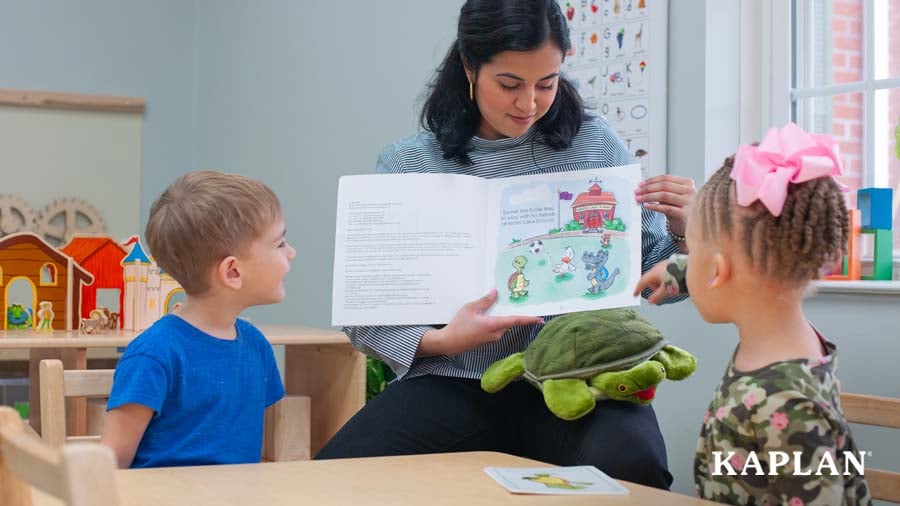
Each day begins with the Welcome and Read-Aloud, shortly after children arrive. It starts with a welcome song, then moves to a children’s book related to the day’s learning. During Read-Aloud time, children work on using their “listening ears” and “looking eyes” while sitting so everyone can see. These moments help strengthen their self-regulation skills as they explore language and literacy.
Some of the books actually focus on social-emotional skills. In the first week of Unit 2, children read Goldilocks and the Three Bears: A Problem-Solving Story. Then they're encouraged to talk one-on-one with peers to identify problems and brainstorm solutions. With this approach, educators can feel confident supporting positive behavior without disrupting learning.
3. Uses play as the primary context for social-emotional development
Play is essential to learning and healthy social-emotional development for young children. During play, they can master new skills without the threat of failure. Their confidence continues to build as they experiment, take risks, and explore.
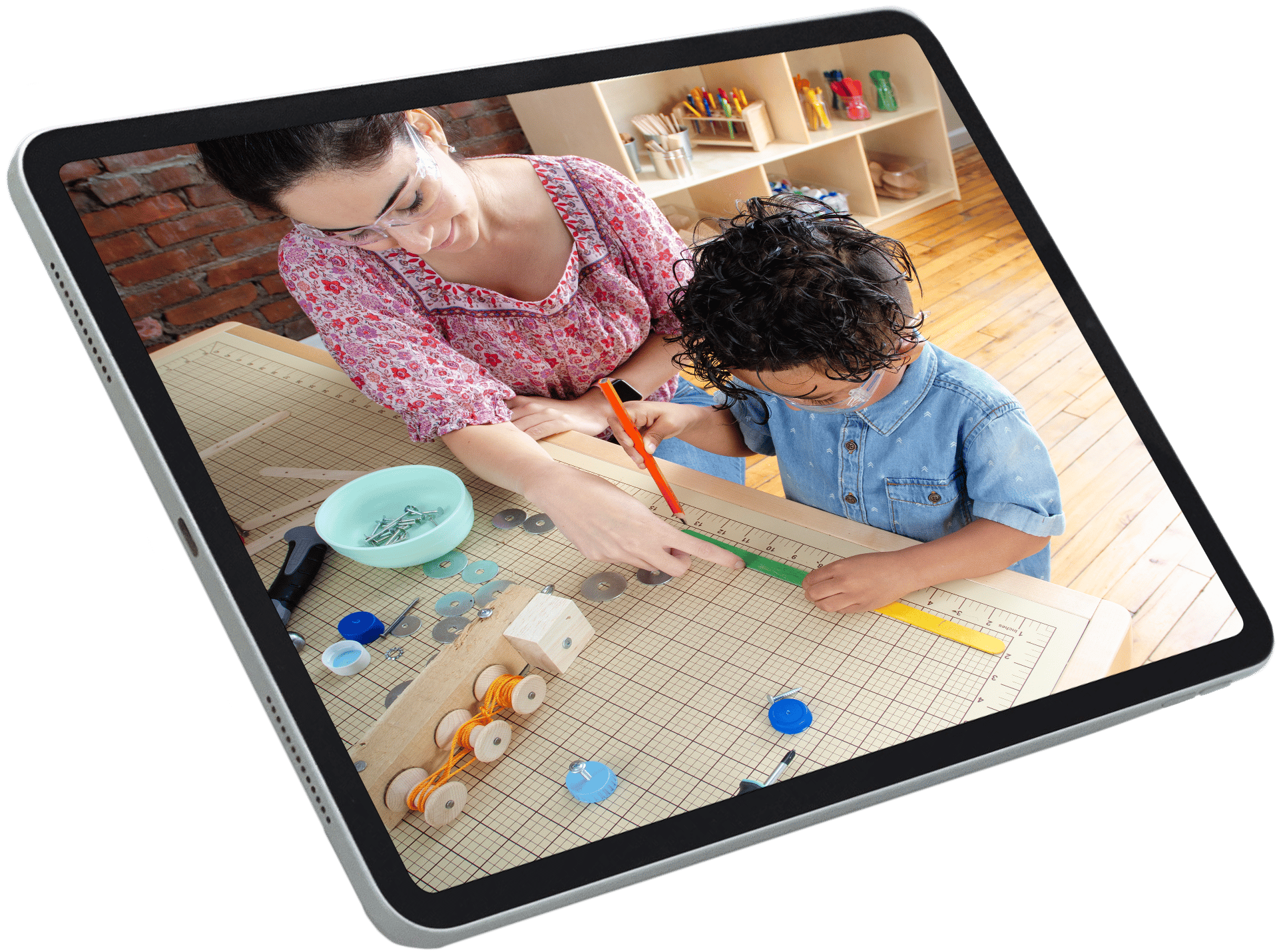
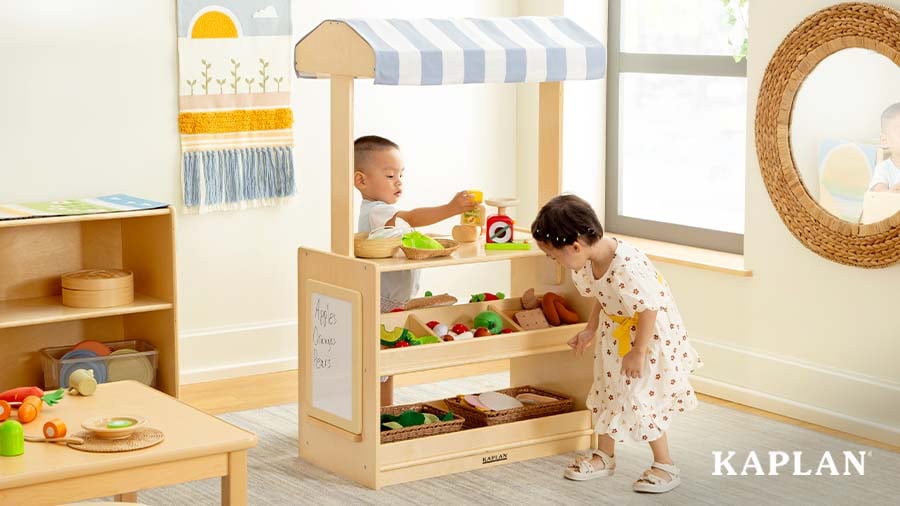
Connect4Learning uses play as a springboard to strengthen and model skills across many areas. Each unit features high-interest learning centers, such as an art center, a dramatic play center, and an exploration station. These centers promote social-emotional skills such as problem-solving, cooperation, and self-regulation through play.
Dramatic play in Unit 5, “Growing Our Garden,” revolves around a farmer’s market stall. The teacher leads pairs of children in a role-play scenario in which one is a customer, and the other is the farmer. As the children take turns playing their role—from ordering food items to counting play money and creating receipts—they’re practicing communication, problem-solving, and cooperation alongside early math and literacy skills.
4. Builds core thinking processes that support social-emotional learning
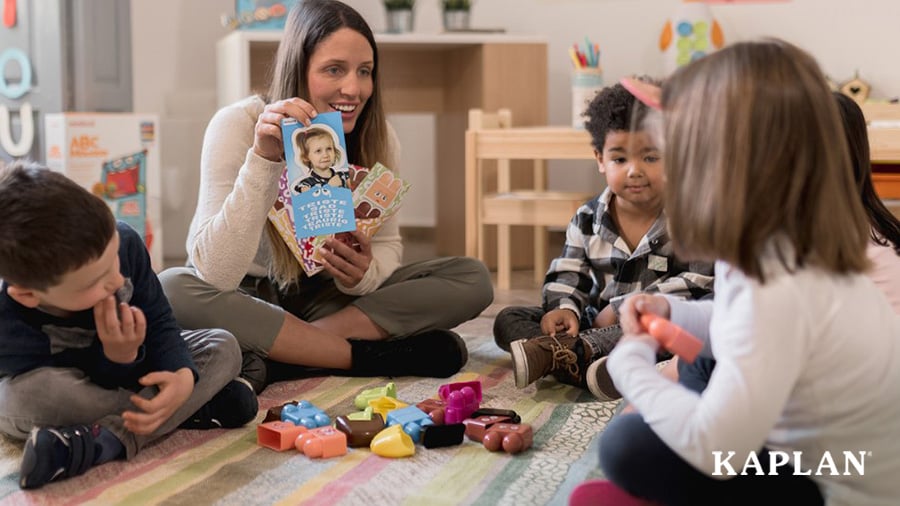
Connect4Learning supports the thinking processes that help children understand themselves, work well with others, persist through challenges, and manage their emotions. Designed by leading early childhood researchers—Drs. Doug Clements, Julie Sarama, Mary Louise Hemmeter, Kimberly Brenneman, and Nell Duke—each unit intentionally nurtures 10 core cognitive processes that span all four learning domains:
- Cooperating
- Comparing and Classifying
- Communicating and Representing
- Reasoning and Problem Solving
- Observing
- Using Tools Strategically
- Making Sense
- Persisting, Attending, and Self-Regulation
- Curiosity
- Creating, Imaging, and Innovating
Together, they strengthen the pathways that support social-emotional development alongside cognitive learning.
5. Equips educators with clear guidance and tiered supports
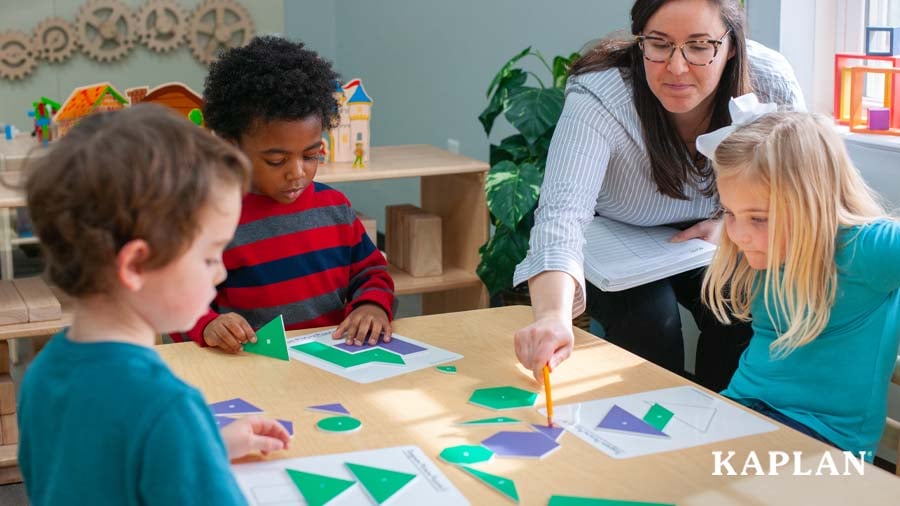
The Pyramid Model equips educators to provide consistent, daily social-emotional support. Each lesson includes clear, step-by-step guidance on what to say and do before, during, and after each activity, plus a teacher's handbook with strategies for daily implementation and individualized instruction.
The curriculum also helps educators meet children where they are and allows them to learn at their own pace. After each small-group activity, for example, educators receive explicit instructions for supporting children who need extra help—or more challenge—reflecting the Pyramid Model's targeted, individualized tiers
6. Uses project-based learning to practice social-emotional skills
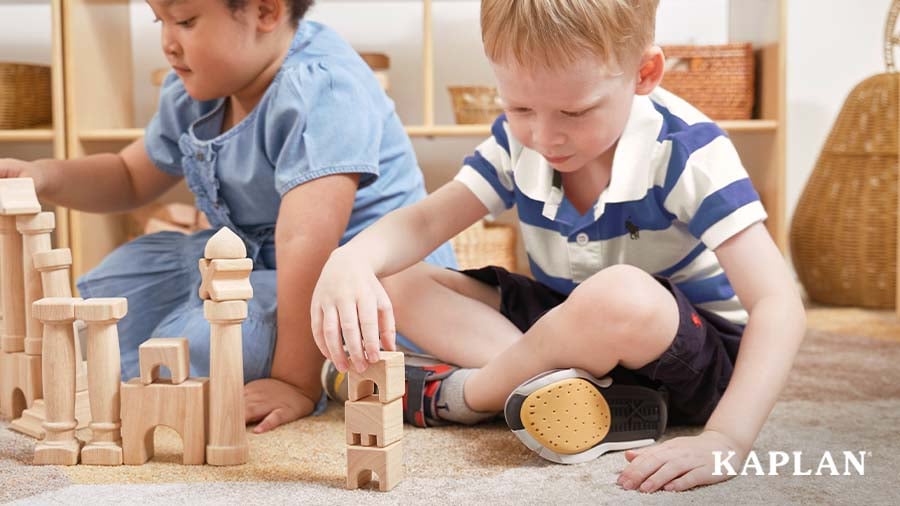
Connect4Learning's project-based learning (PBL) approach gives children a shared goal to work toward. PBL activities naturally weave social-emotional skills with traditional academic content. As children collaborate on engaging classroom projects—like a coral reef scavenger hunt or turning their classroom into a museum—they practice key skills like cooperation, communication, problem-solving, and self-regulation.
In Unit 4, “Exploring Museums,” children must work as a team to build something related to the unit, such as a castle or dinosaur replica, for the museum to reveal in the final week. In the dramatic play center, with construction clothing and tools in hand, they must listen to one another, negotiate ideas, and problem-solve together to complete the project.
These collaborative classroom experiences make social-emotional development an intentional part of everyday learning.

7. Mirrors the Pyramid Model through sequence and scope
Connect4Learning’s sequence-and-scope approach mirrors the Pyramid Model’s tiered framework. The curriculum promotes sequential learning, a teaching approach that targets skills in a step-by-step progression.
Unit 1 starts by helping children identify their own and others' feelings. As lessons progress, children develop the skills needed for more complex social scenarios in later units. This might be identifying a partner's emotions during the “Mirror, Mirror Game” in Unit 3. Or brainstorming ways to help a friend who is nervous about kindergarten in Unit 6.
The key is to build these skills gradually and intentionally. This approach helps children go from understanding emotions to applying that knowledge in real-life social situations.
Bring the Pyramid Model to life with Connect4Learning
Social-emotional learning is a key pillar in children's growth and development. The skills they learn in early childhood pave the way for future learning and success.
Connect4Learning blends play and research-based instruction to support social-emotional skills alongside math, science, and literacy. By integrating the Pyramid Model, educators can bake social-emotional development into daily lessons and activities. Children build skills like self-regulation, cooperation, and problem-solving through meaningful experiences.
Ready to see how Connect4Learning can help young children thrive across all domains of learning? Reach out to a local Kaplan representative to explore the full curriculum and the tools and resources that support every child’s growth.