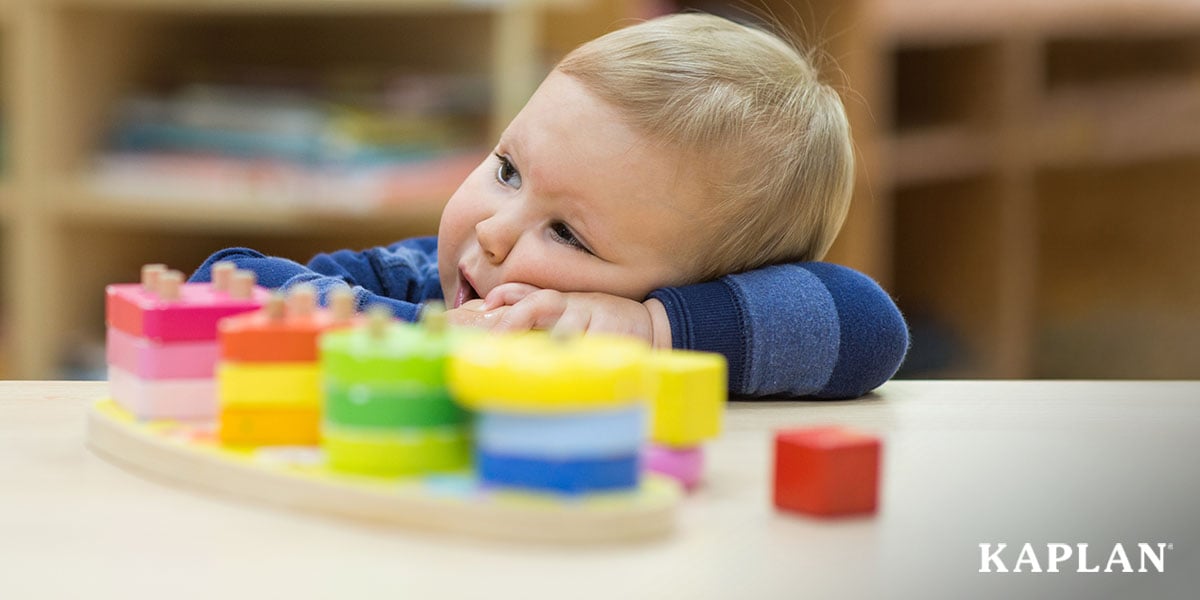
Have you ever noticed a child quickly moving from one activity to another, becoming easily frustrated with a toy, or repeatedly asking for help during play? While it’s easy to assume they’re simply bored or struggling, there’s often more going on beneath the surface.
The materials you choose for your classroom—and how you organize and display them—have a powerful impact on children's engagement. It can determine whether they are drawn to the materials and stay engaged, or quickly lose interest.
In this article, we explore common yet often overlooked reasons children disengage from classroom materials. We also share practical ways to recapture their interest and spark meaningful learning and play.
5 reasons why children lose interest in classroom materials
When children wander from one activity to the next or seem uninterested in what's available, you might think your classroom needs new materials. More often, the issue isn’t with the materials themselves but how they are presented, displayed, or maintained.
Below are five reasons children may stop engaging with classroom materials, along with practical ways to renew interest without replacing everything on your shelves.
1. Children are overwhelmed by too many choices
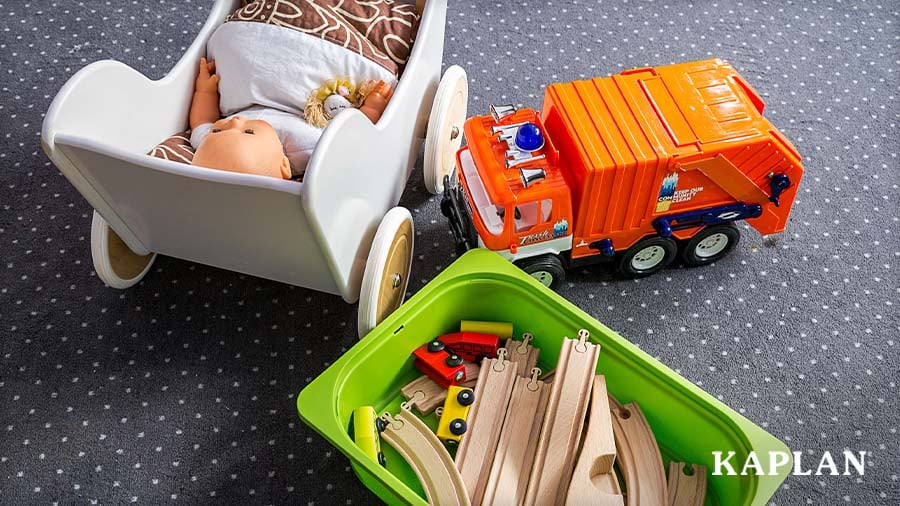
It may seem like a good idea to offer children a wide range of materials at once. More choice should mean more engagement, right? In reality, too many choices can have the opposite effect, according to a study published in The Journal of Infant Behavior and Development.
The study found that when children had access to fewer toys, they played with each one longer and used them in more creative ways. On the other hand, when children had more toys available, they were more easily distracted. They tended to move quickly from one item to another, without fully engaging with any of them.
When it comes to supporting playful learning, less is often more. Use these tips to select materials that help children stay focused and engaged without feeling overwhelmed:
- Limit the number of materials. Keep a small, manageable number of items in any given area. For example, five to 10 books in the reading nook, two to three types of building materials in the block center, or a few key props in the dramatic play area.
- Choose with intention. Ask, "What skill or domain does this material support?" If it doesn't serve a clear purpose, consider rotating it out.
- Choose multipurpose materials. Opt for materials that can be used in multiple ways, such as blocks, art supplies, or loose parts. Single-use items, like electronic toys with a single function or pre-defined crafts with only one possible outcome, can quickly lose their novelty for young children.
The goal isn't to offer more. With fewer, more purposeful materials, children have space for deeper, more imaginative play.
2. Materials have become stale or too familiar
Even the most exciting classroom materials can lose their appeal over time. When children see the same toys, puzzles, and props day after day, those items can begin to blend into the background. As the excitement fades, so does engagement.
According to The Complete Learning Center Book by Rebecca Isbell, rotating materials in and out of learning centers renews children’s interest in play. At the same time, it allows educators to align materials with current themes, seasons, or children’s emerging interests—inviting children to engage more deeply with the resources available.
Here are a few strategies for keeping materials fresh and inviting:
Rotate based on children’s interest. Instead of rotating materials on a regular schedule, consider a more responsive approach. In The Complete Learning Center Book, Isbell notes that children will stop choosing a center or simply use the materials in inappropriate ways when their interest starts to wane. Watch for signs that a learning center is “ailing” and swap materials to recapture their attention.
Repurpose rather than replace. A recent article published in Young Children, NAEYC's peer-reviewed journal, highlights how educators can enrich learning environments by reimagining existing and upcycled materials. For example, old toys can be transformed into busy boards for toddlers, while misplaced puzzle pieces with knobs can serve as hooks in the dramatic play center. Presenting familiar materials in new ways can give them new life and inspire imaginative play.
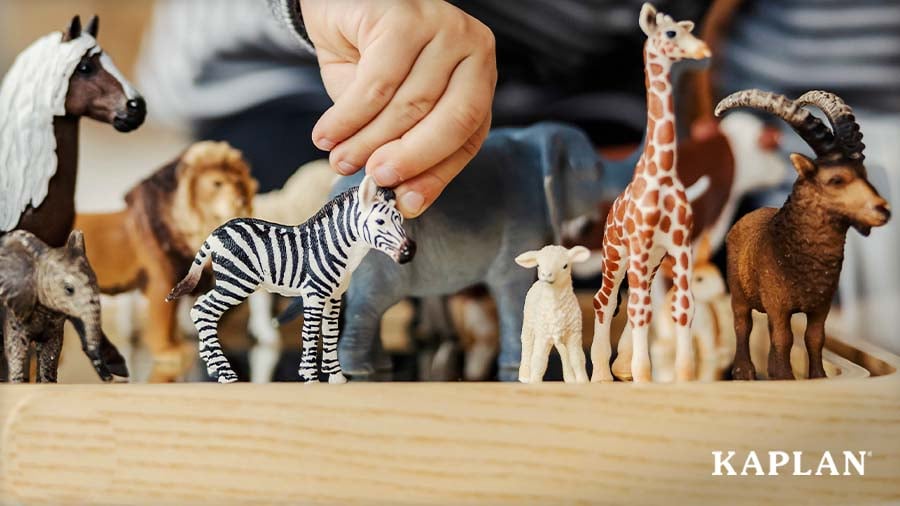
Reimagine how materials are presented. Sometimes, reigniting children's curiosity is as simple as changing where or how materials are used. Moving items to a different learning center, taking them outdoors, or pairing them with new materials can inspire fresh exploration. A set of people or animal figures that goes unnoticed on a shelf may quickly become a favorite when placed beside a sand table or incorporated into block play.
3. Materials aren't developmentally appropriate
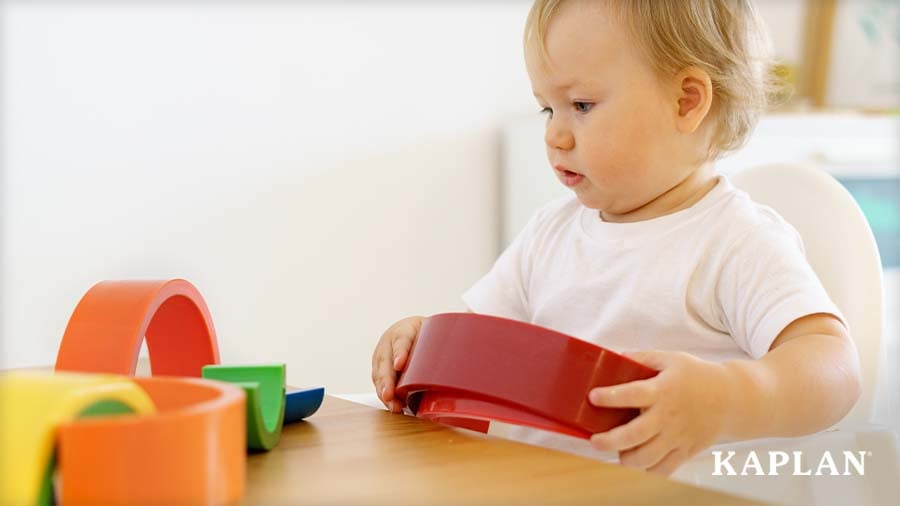
A child walking away from a toy or puzzle after 30 seconds doesn’t always mean they’re not interested. Sometimes, it’s a sign that the item doesn’t align with their current skills or abilities. When materials are too easy, children may become bored. When they’re too difficult, children can become overwhelmed.
NAEYC’s Developmentally Appropriate Practice (DAP) Position Statement suggests that developmentally appropriate learning environments are intentionally designed around children’s interests, abilities, and emerging skills. That means choosing materials that meet them where they are—providing the right balance of challenge and engagement—to foster new skills and deepen their learning.
So how do you know when a material is or isn't the right fit? Observation is the best tool.
Signs a material may be too easy:
- A child completes it quickly—such as a five-piece puzzle solved in under a minute—and moves on to another item without repeating it.
- Children may use the material in new, less appropriate ways because they’ve mastered its original purpose.
Signs a material may be too challenging:
- Children frequently ask for adult help to complete steps, such as threading activities with holes that are too small for their developing fine motor skills.
- A child abandons an activity after multiple unsuccessful attempts.
- They become frustrated quickly, which may lead to disengagement, emotional outbursts, or disruptive behavior.
Signs a material is "just right:"
- Children repeatedly return to it on their own with sustained engagement.
- They show focus, persistence, and creative problem-solving as they use it.
- They build on their play by adding their own complexity, trying new approaches, or inviting friends to join.
We make it easy to find developmentally appropriate materials when shopping on kaplanco.com. You can "Shop by Ages" from our main menu, or browse product categories by age group to find the best-fit materials for your infant, toddler, or preschool classroom.
4. Materials are disorganized and cluttered
In preschool, children are eager to explore and do things independently. As their sense of autonomy grows, they naturally seek opportunities to make choices, solve problems, and explore the classroom on their own.
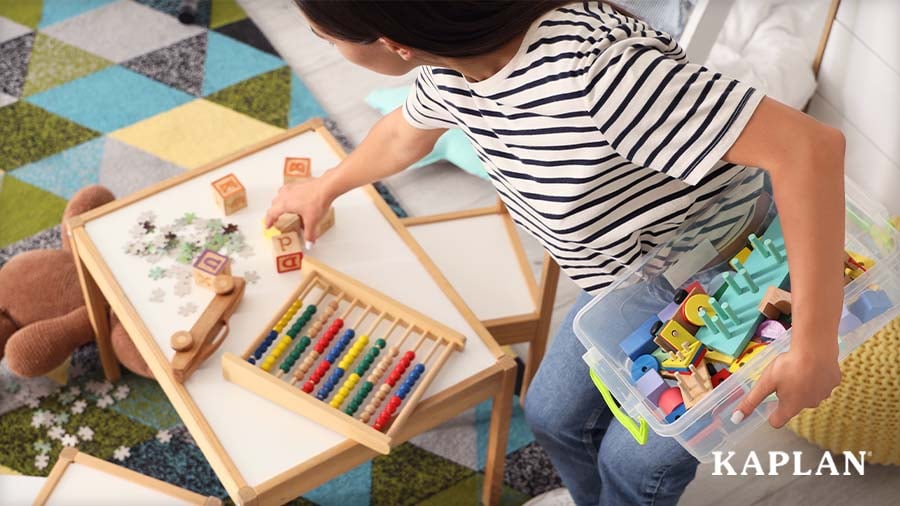
But a messy or cluttered space can get in the way. When materials are piled together, crammed into bins, or placed out of reach, children struggle to find what they need. In Room to Learn: Elementary Classrooms Designed for Interactive Explorations, authors Pam Evanshen, EdD, and Janet Faulk, EdD, argue that a disorganized classroom disrupts the learning plan. In their words, responsible learning is more apt to occur when materials are organized, well-labeled, and accessible to learners.
A few practical tips for organizing materials in ways that support engagement and independence:
- Organize materials by theme or purpose. When everything has a clear home, children spend less time searching and more time learning and exploring.
- Store materials in clear bins, baskets, or trays with labels (pictures for non-readers). This simple step supports children’s independence and helps free up valuable learning space by keeping unused items out of sight.
- Empower children to play an active role in keeping materials organized. Simple cleanup routines, classroom jobs, and visual examples of an organized space can all support their participation.
5. Materials are old or worn-out
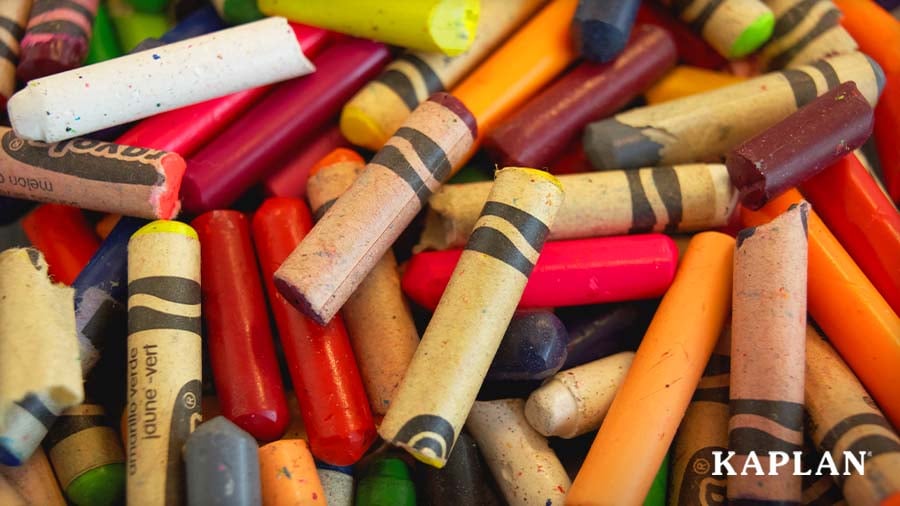
Books, blocks, toys, and other learning materials endure daily wear and tear in early childhood classrooms. Over time, puzzle pieces go missing, pages tear, markers dry out, and toys lose essential parts—making them less useful and engaging for young children.
While it’s important to offer materials that are in good condition, it doesn’t mean you have to replace everything at once. A few simple habits can go a long way:
- Inspect materials regularly. Set aside time monthly or quarterly to check the condition of classroom materials. Look for loose screws, missing parts, broken edges, or anything that no longer functions as designed. It’s not just a quality issue—damaged materials can also pose a safety risk to young children.
- Repair when possible, replace when necessary. Some items can be restored. For example, taping a torn page in a book or sewing a hole in a dress-up shirt. But avoid holding on to items that no longer work as intended or that children consistently avoid to make space for materials that will be put to use.
- Stock up on essentials. Buy high-use materials—such as markers, crayons, glue sticks, and play-dough—in bulk so you’re never caught without backups. Running out of them can quickly bring classroom activities to a standstill.
Keep classroom materials organized for sustained interest and play
Young children are curious, active learners, and they need materials that keep them learning and engaged throughout the school day. But when these materials are disorganized, worn out, or don’t align with their needs, they can unintentionally derail the learning experience.
The good news is that small, intentional changes can make a significant difference. Notice how children interact with what’s available. Are they engaged or moving on quickly? Do they become easily frustrated or overwhelmed? Are the materials in good condition? With the practical tips shared above, you can address any gaps and foster an environment where children stay curious, focused, and deeply engaged in learning.
Stocking your classroom with durable, high-quality materials from the start helps maintain children’s interest over time. Explore developmentally appropriate toys, furniture, and learning materials at kaplan.com to help bring new energy to your classroom.