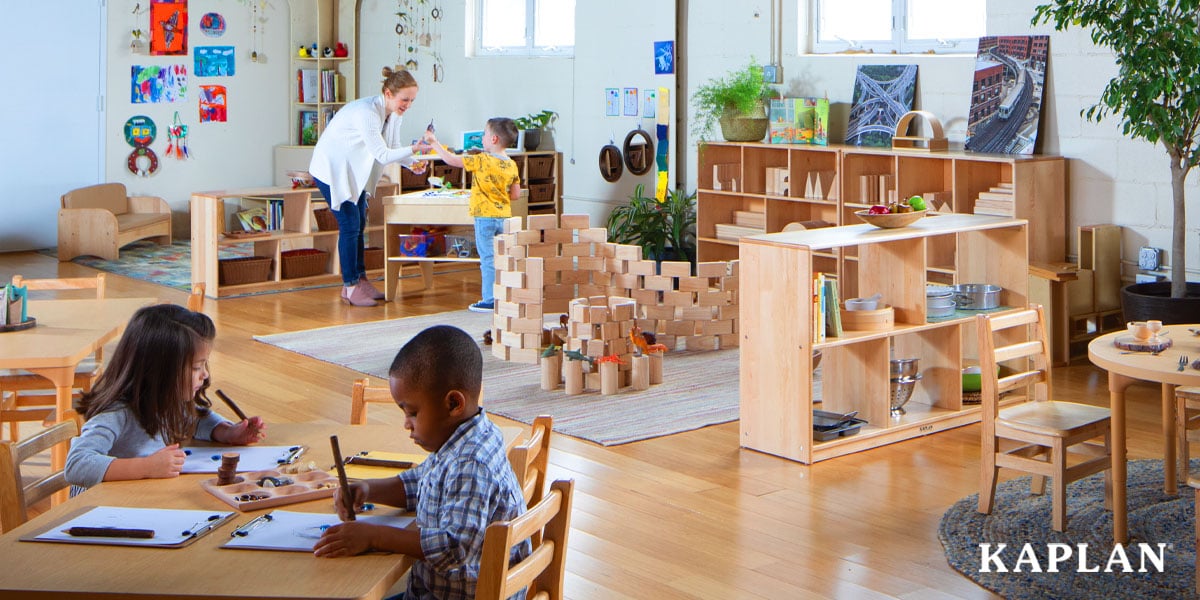
Let’s face it: budgets are tight, and classroom furniture is a significant investment. As you shop and compare prices, you might be tempted to rule out higher-priced options right away. Not so fast.
Lower-priced furniture may seem like the better option at first, but hidden costs often add up over time. So what else should you consider when shopping for classroom furniture?
With decades of experience furnishing early childhood classrooms, Kaplan knows what it takes to create furniture that's both durable and developmentally appropriate. That’s why we've outlined five factors to consider, other than price, to help you get the best return on your classroom furniture investment.
5 things to consider beyond price when buying classroom furniture
Don't let the price tag stop you in your tracks. Here are five considerations that matter just as much as cost when shopping for classroom furniture.
1. High-quality materials
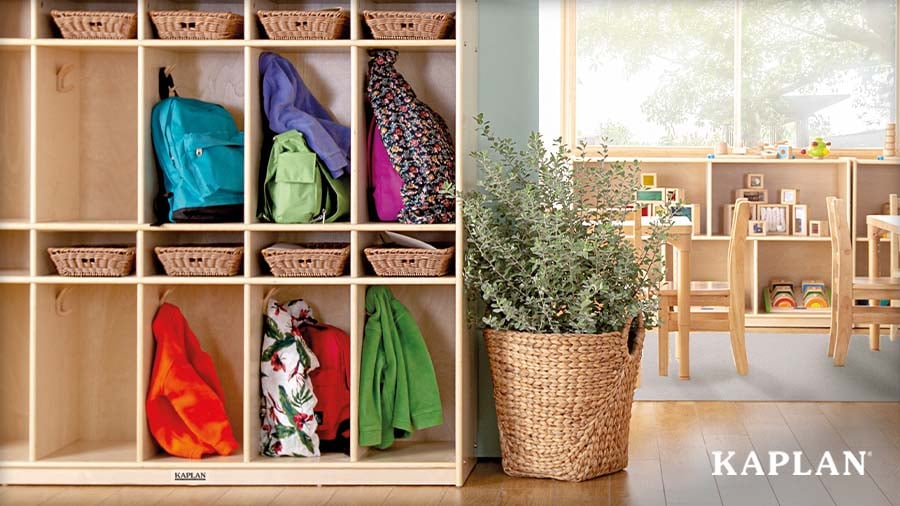
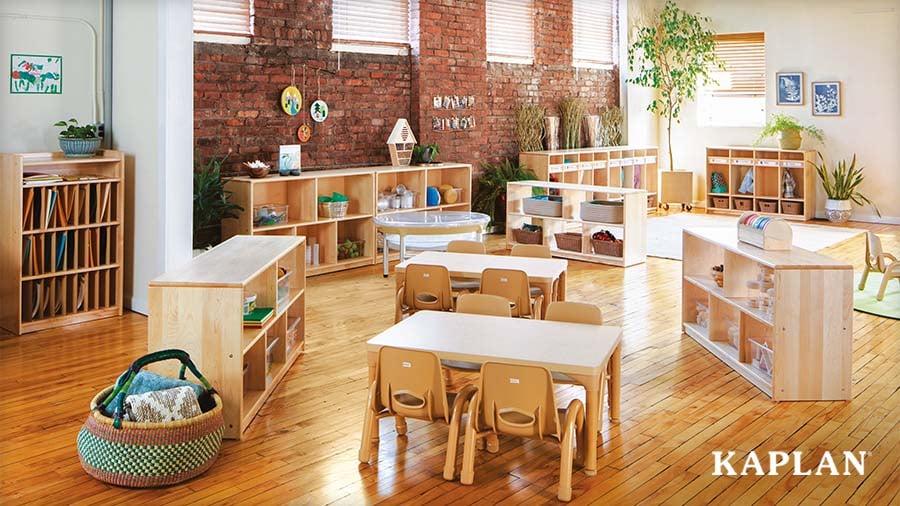
What’s the difference between furniture that lasts a decade and furniture that needs replacing every other school year? It often comes down to the materials. When shopping, look for pieces that are durable, well-built, and made with materials that can withstand daily use.
There are a few materials that stand out for their quality and durability:
- Solid hardwood (oak, maple, or beech): sists dents and withstands heavy daily use
- Plywood: Offers strength and stability without the weight or cost of solid wood
- High-pressure laminate: Resists scratches, stains, and moisture
- Steel: Provides long-term durability for high-traffic pieces like shelving and frames
Lower-quality materials—like particleboard, MDF (medium-density fiberboard), and thin plastic—are more prone to cracking, warping, and chipping. Choosing furniture made with high-quality materials helps you avoid the headache of frequent repairs and replacements.
2. Classroom furniture warranties
Even the highest-quality classroom furniture isn’t immune to the occasional defect or mishap, especially when it’s up against little learners every day. That’s where furniture warranties come in. A seller guarantees to repair or replace a piece of furniture if it fails within a specified period, under specified conditions.
That guarantee may come with a higher price tag since it includes built-in costs to cover standard repairs and replacement parts. But it also reflects the seller’s confidence in the furniture’s quality, durability, and reliability—giving you peace of mind for years to come.
This is why we offer four different product warranties on our classroom furniture: Lifetime, 10-year, 5-year, and 1-year limited warranties. No matter which warranty comes with your purchase, we cover every piece against:
- Structural defects that decrease the durability and integrity of your furniture
- Scratches or blemishes that arise due to manufacturing, assembly, or shipment
- Damage that extends beyond everyday use
If a covered issue arises during your warranty period, Kaplan will repair or replace the furniture, no questions asked. So yes, a warranty may raise the sticker price of quality classroom furniture. But it pays for itself the moment something unexpected happens—extending the lifespan of your pieces.
Read next: Knowing When to Replace or Repair Furniture to Maintain Classroom Safety
3. Product design
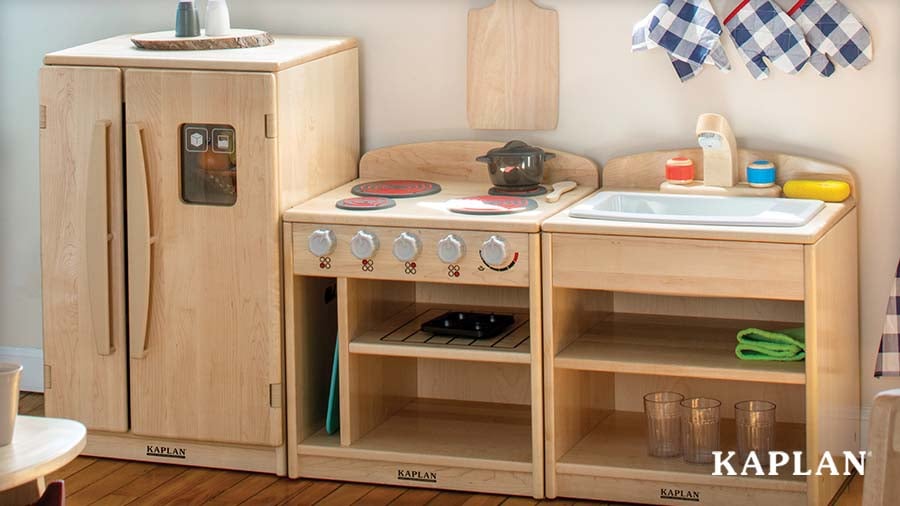
Quality classroom furniture supports children’s safety, development, and wellbeing. At minimum, make sure the furniture you choose meets the following design qualities and specifications:
- Rounded or cushioned edges: Sharp corners and edges pose a hazard for young children prone to bumps and falls.
- Sized for little bodies: Child-sized furniture supports proper posture and encourages autonomy in the classroom.
- Built for institutional, everyday use: Designed to withstand daily wear and tear and the frequent cleaning and sanitizing required in group care settings.
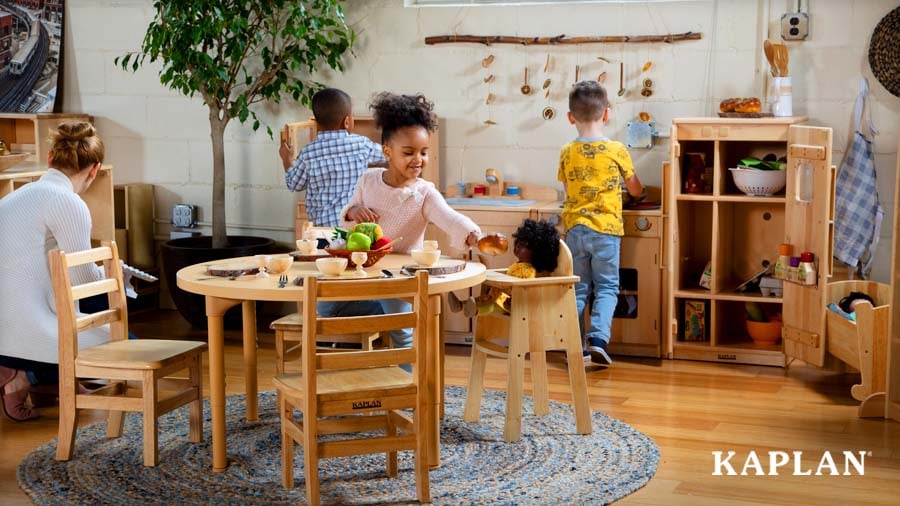
At Kaplan, we don’t stop there. Some of our furniture goes even further—like our Carolina Connections collection, built for accessibility and inclusion, or our Sense of Place line, designed to bring a warm, homelike feel to the classroom. Furniture should fit your classroom needs and the children you serve—not the other way around.
4. Furniture certification
Quality classroom furniture is built with children's health and safety in mind. It meets industry safety and structural standards and uses premium, responsibly sourced materials that protect children and the environment.
Look for these initiatives and certifications when evaluating furniture quality:
- ASTM International: Sets safety standards for furniture structure, stability, and labeling in schools and childcare settings.
- Forest Stewardship Council (FSC): Certifies wood sourced from responsibly managed forests.
- California Air Resources Board (CARB): Limits formaldehyde emissions from composite wood materials like particleboard and MDF.
- GREENGUARD: Certifies low VOC emissions for healthier indoor air quality.
Certifications aren't just about safety—they also reflect a company's values. Kaplan is committed to sustainability in early learning. It's woven into how we design, build, and select every piece of furniture we offer. Shop furniture that's built to meet these standards, so that you can feel good about every piece in your classroom.
5. Ease of assembly
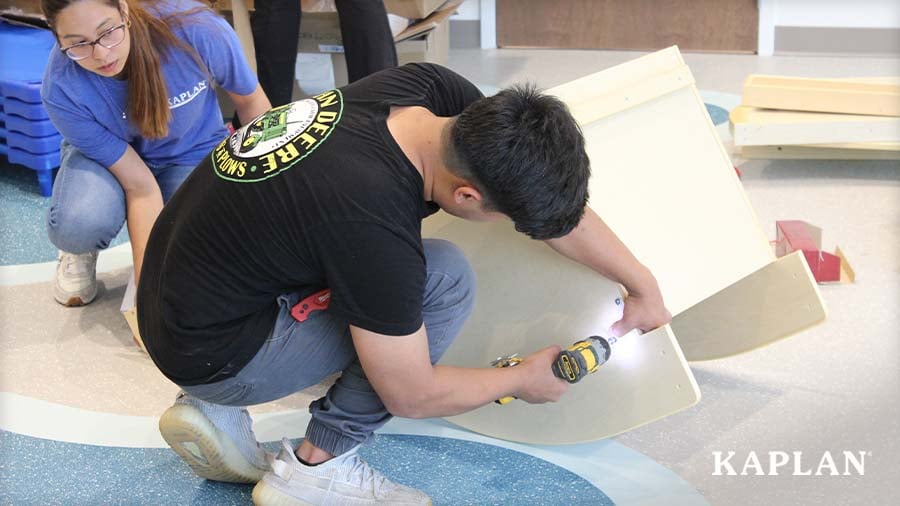
Like most educators, you’re probably short on time and don’t want assembly to slow down your classroom setup. Quality furniture typically falls into a few categories: fully assembled, minor assembly required, or ready-to-assemble with tools included. Whichever you choose, look for a vendor that offers clear assembly instructions, included hardware, and support when you need it.
When evaluating assembly, consider:
- How much time you have. Fully assembled furniture is ready to use right away, which is ideal if you're racing the clock before the first day of school.
- Who’s doing the assembly. Assembly might be straightforward. Still, factor in staff time (or budget for professional assembly) if you’re outfitting many rooms.
- What tools are included. Look for pieces that come with the hardware and tools you need, so you’re not left searching for a specific hex key or screwdriver.
- Access to replacement parts. The vendor should make it easy to replace missing or damaged parts, so a lost screw or broken piece doesn’t mean replacing the whole unit.
Complicated assembly wastes another valuable resource: your time. Look for classroom furniture from a vendor who makes assembly simple from start to finish.
Invest in quality classroom furniture from Kaplan Early Learning Company
Choosing classroom furniture is about more than finding the lowest price. It’s about creating a space where children can learn, play, and grow safely. From durable materials to easy assembly, every factor you consider now helps you avoid costly replacements down the road.
Kaplan has spent decades helping educators build better classrooms. Explore Kaplan’s classroom furniture collection to find pieces built to support your classroom for years to come.