Nature-based learning is gaining momentum in early childhood education, and for good reason.
Children learn best through their senses, and nature provides endless opportunities for learning. Noticing seasonal changes, watching insects, and exploring textures, scents, and sounds all help spark curiosity and deepen engagement.
That’s not all. Research published in the International Journal of Early Childhood Environmental Education shows that nature-rich learning environments promote positive learning behaviors and healthy peer relationships. They also foster a calm, relaxed atmosphere where children feel grounded, focused, and ready to learn. Together, these experiences set the stage for success in school and beyond.
You don’t need a big budget or a full redesign to create a nature-inspired classroom. If you're new to nature-based learning or need fresh ideas, keep reading for simple ways to bring natural elements into your classroom.
5 tips for designing a classroom inspired by nature
It's not always possible for children to spend time outside. But you can bring those experiences inside the classroom with nature-themed activities, materials, and well-planned spaces. These five tips will help you create a space that feels connected to nature while supporting children’s learning and development goals.
1. Add natural materials to learning centers
Natural materials like stones, shells, feathers, and wood bring the outdoors inside and give children hands-on ways to explore their world. In Partnering with Nature in Early Childhood: A Guide to Outdoor Experiences, authors Patti Bailie, PhD, and Catherine Koons-Hubbard, MEd, recommend setting up learning centers that contain nature-related materials.
According to the authors, these items shouldn't replace traditional classroom materials. They should work alongside them to give children rich, multisensory experiences.
Think about each learning center and how you might add natural elements:
Math and manipulatives: Adding pebbles, acorns, seashells, and wooden cookie counters is a fun way for children to practice sorting and counting. They can use these natural materials just like they use plastic counters and manipulatives.
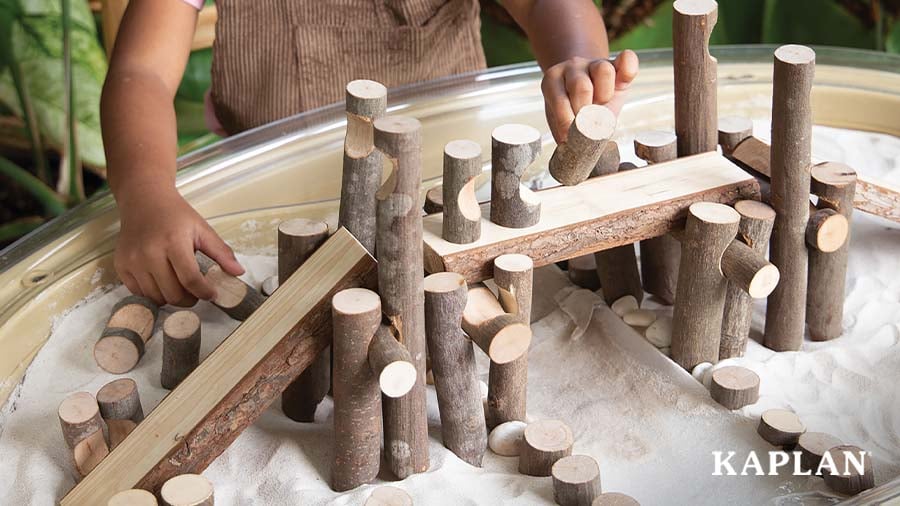
Blocks and building: Natural materials like wooden blocks, large stones, and branch builders come in a variety of textures and shapes. Using these items challenges children to problem-solve as they stack and build.
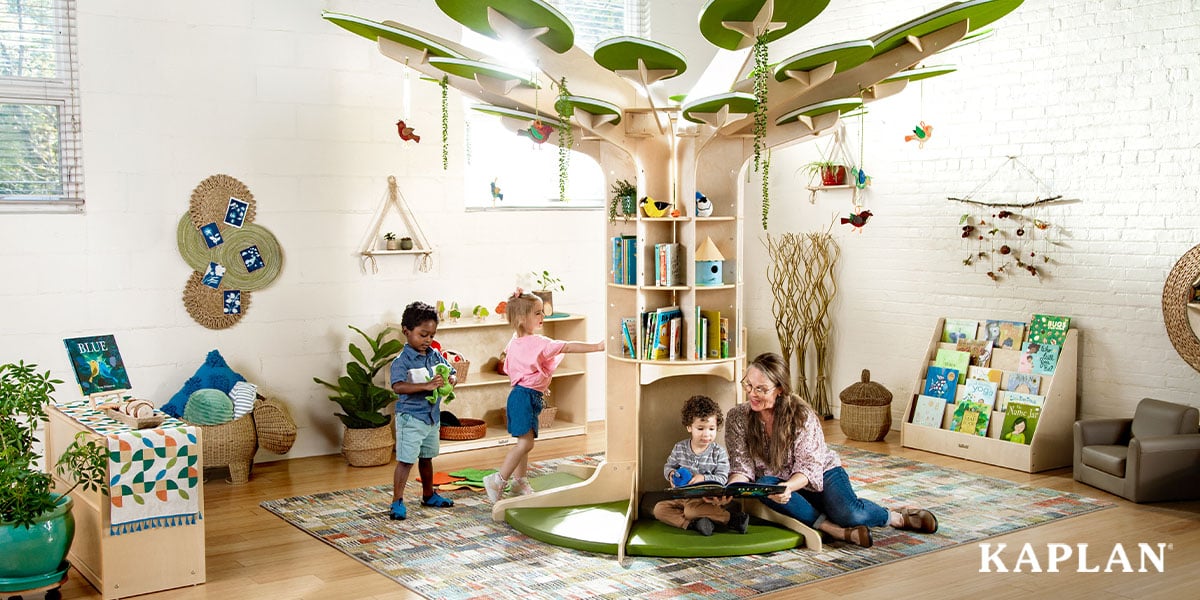
Reading corner: Set up your reading area with nature-inspired furniture, like this fun reading tree or tree bookshelf. Fill shelves with board books featuring vivid images of animals, plants, insects, and other nature themes.
Science and discovery: Consider adding shells, tree parts, specimen stones, cocoons, birds' nests and feathers, and other items that spark curiosity. Live habitats, such as a butterfly farm, an ant factory, or a ladybug habitat, let children observe life cycles up close.
The benefit of natural materials is that you don't need to spend much. Many items can be found on nature walks or can be provided by families. The key is to change materials in the learning centers often so children always have something new to explore.
2. Fill the room with natural light, colors, and aromas
Your classroom environment shapes how children feel and learn throughout the day. Natural light, earth-toned colors, and gentle aromas create a calm atmosphere that helps children feel focused and grounded. Studies show natural light and soothing colors, for example, can reduce stress and improve young children’s attention span.
The good news is that many of these changes are easy to make and don’t take much time. Here are a few ways to incorporate natural light, colors, and scents:
Natural light: Whenever possible, use natural light over artificial lighting. Open blinds and curtains to let sunshine into the room. If your classroom has little natural light, try replacing harsh fluorescent bulbs with warm, soft lighting.
Earth tones and greens: Add pops of nature-themed colors to your classroom through wall colors, rugs, pillows, and decorations. Even small additions, like green plants, natural-wood furniture, or earth-toned fabric, help create a calm space that feels connected to the outdoors.
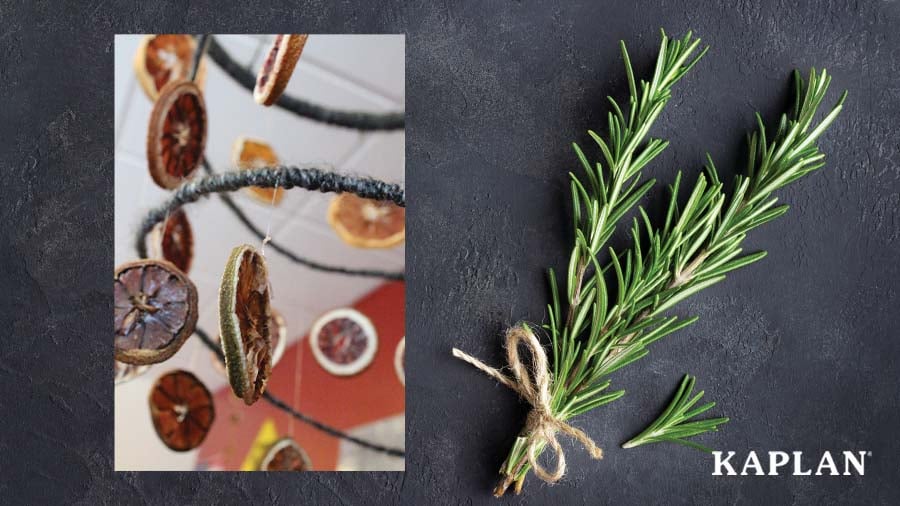
Natural aromas: Scent is a powerful element in classroom design, according to Inspired by Nature by Sandra Duncan, EdD, and Christine Burkholder. Even on chilly days, opening the windows for a few minutes can refresh the classroom with fresh air and natural scents. Placing herbs, fresh pine branches, or sweet-smelling potpourri out of reach of small hands helps add gentle, natural scents to the air.
These natural touches create a more inviting, calming space that helps children feel comfortable and ready to learn.
3. Use nature-inspired furniture and decor
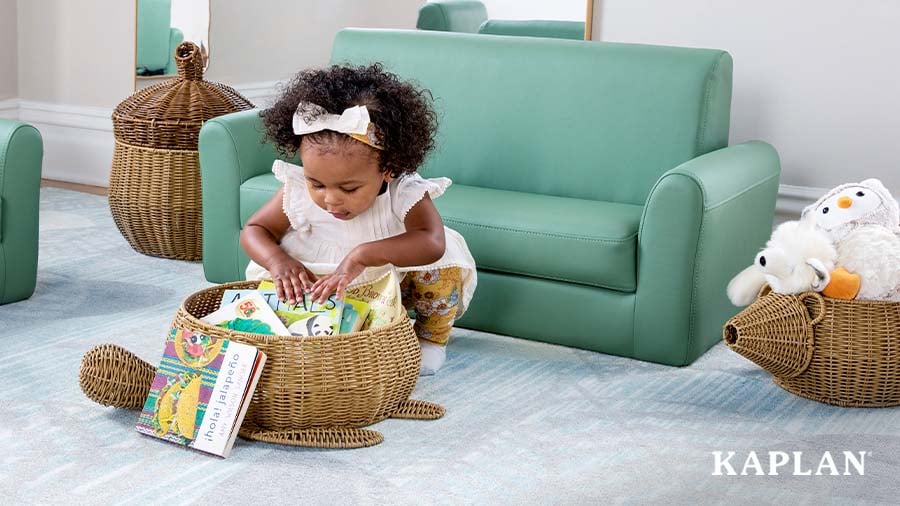
Choosing pieces made from natural materials or featuring nature themes can help bring the essence of the outdoors inside. For example, wood and wicker furniture pieces not only reflect the outdoors but are also sturdy, durable, and easy to maintain, making them a smart choice for busy classrooms.
Start by swapping out your classroom decor with one or two of the items below to see how transform your space:
Natural wood furniture: Choose furniture with natural tones and finishes, such as the bookshelves, cubbies, tables, and play kitchens from our Carolina Birch furniture collection. Natural wood brings warmth to a space and gives a neutral backdrop that lets children's work and play take center stage.
Wicker furniture: Add animal-shaped wicker baskets for storage, a wicker house tent for cozy reading, a wicker mirrored table for exploration, and wicker seating poufs for flexible seating. Wicker adds texture and organic shapes to the room.
Nature-themed wall art: Hang wall prints featuring natural elements, such as ferns, pinecones, and trees. Add posters with plants and animals from around the world. These visuals spark curiosity and open the door to conversations about nature that children may not see in their own backyards.
Natural accents: Add rugs, table runners, or curtains with nature-inspired patterns to bring texture and natural colors into the classroom.
When choosing furniture and decor, look for multi-functional pieces that also incorporate natural imagery, materials, and textures.
4. Incorporate greenery
Bringing living plants into the classroom offers many benefits. They can improve air quality, teach children about plant care and life cycles, and create a more inviting learning space.
Start by choosing non-toxic plants that are safe for young children. Some good options include spider plants, bamboo, African violets, and Boston ferns. Place larger plants where children can see and observe their growth, from new leaves to budding flowers. Group smaller plants together to create a small indoor garden.
When possible, bring in fresh flowers to brighten the classroom. Seasonal blooms bring nature indoors and spark conversations about colors, scents, and the life cycle of flowers.
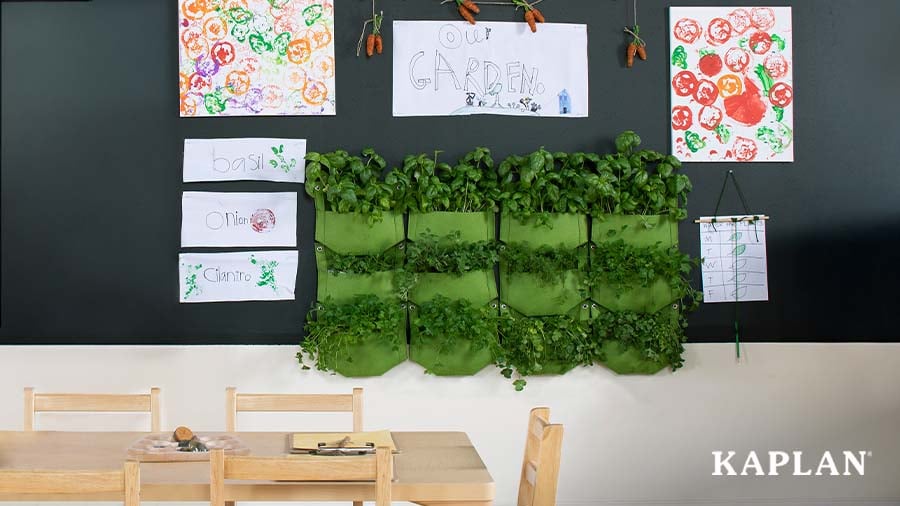
You can also invite children to grow and maintain their own indoor garden! They can plant produce and herbs, like basil, cilantro, cantaloupe, and bell peppers. Or grow mini sunflowers, daisies, or marigolds. As the plants sprout, children can water them, observe new growth, and even pick them for cooking or sensory activities.
Check out our Trees & Plants collection for everything you need to grow and maintain plants in the classroom.
5. Provide nature-based sensory experiences
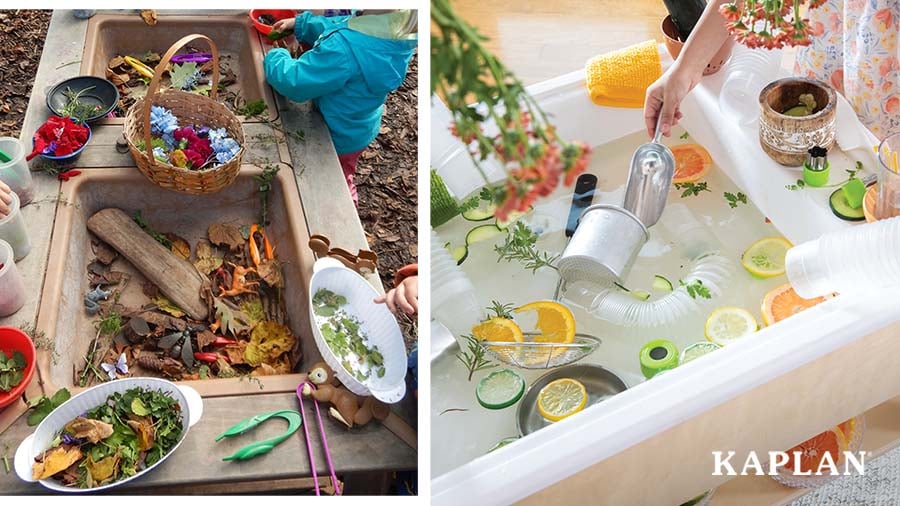
Sensory tables filled with natural materials give children fun, creative ways to experience different textures, liquids, and even tiny habitats, according to Partnering with Nature in Early Childhood: A Guide to Outdoor Experiences.
Here are a few tips to help you get started:
1. Begin by filling the sensory bins with natural materials that children can touch and explore. Keep in mind that some natural materials may trigger allergies in young children, such as tree nuts or dried grasses. Instead, try play sand, water, dried corn, sunflower seeds, feathers, cotton, pine needles, and pebbles of different sizes, shapes, and colors. You can also add loose parts that resemble natural materials, like faux turtle shells, gourds, and assorted pinecones.
2. Change sensory materials often to reflect the changing seasons. Bring in colorful leaves in the fall, snow in the winter, flower petals in spring, and seashells in the summer.
3. Add tools to the sensory area that spark deeper hands-on exploration. Think smocks for mess-free fun and wooden spoons to scoop, sift, and dig the natural materials.
With a variety of natural materials to explore, the sensory table becomes a hands-on way for children to discover and connect with nature.
Begin creating a nature-filled classroom today
Nature-inspired classrooms enhance learning and build deeper connections to nature. The textures, colors, scents, and living things you bring into your classroom introduce children to the beauty of nature. They also help children see that they are part of something bigger than themselves.
Thankfully, you don’t have to completely redesign your classroom to bring nature indoors. Small updates, like adding plants, natural materials, or nature-themed books, can transform how children experience their learning space. And when you’re ready to take the next step, Kaplan’s full-service classroom design team can help you create a learning environment that nurtures curiosity, exploration, and connection to the natural world.