Imagine stepping into a toddler classroom where emotions are running high. One child might be crying on the floor. Another is hitting out of frustration. A third is trying to grab a toy from a friend. These are normal developmental behaviors for growing toddlers who are learning to express themselves—and they’re perfect opportunities to support early social-emotional growth.
In the Gryphon House book Crying and Laughing: The Emotional Development of Infants and Toddlers, authors Donna Wittmer, PhD, and Deanna W. Clauson note that toddlers are constantly learning about their own and others’ emotions. Through play with friends, they learn to express their feelings and manage big emotions in healthy ways.
As an early educator, you play a key role in reinforcing these crucial social-emotional skills in toddlers. In this article, we'll dive into practical, age-appropriate activities to help teachers nurture these skills while fostering positive interactions, minimizing frustration, and supporting a calmer classroom environment.
6 activities to promote social-emotional skills in the toddler classroom
Toddlers are just beginning to understand their emotions, and they need plenty of support along the way. Below we've rounded up six toddler-friendly activities to support them as they learn to express emotions, regulate themselves, and connect with others.

1. Name their emotions
Identifying feelings is a foundational social-emotional skill. When toddlers can recognize their emotions, they’re better able to manage them in healthy, age-appropriate ways. Instead of falling apart on the floor in frustration, a child might use simple words like “Me sad” or “I miss Mama!” to express how they’re feeling. If toddlers lack the words to describe how they feel, focus on teaching and modeling emotion words until they stick.
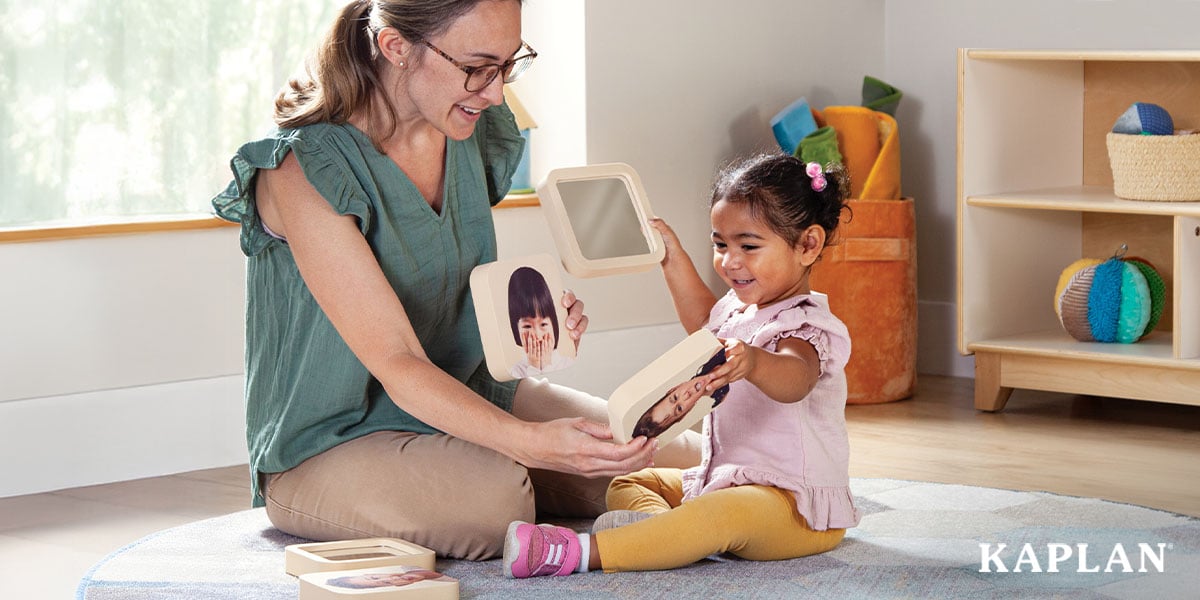
Show emotion visuals. During morning circle time, display emotion tiles or photo cubes with different facial expressions. Point to faces and name the emotions. You can say, "This face looks happy! Who’s feeling happy today?” and encourage children to point, smile, or share how they’re feeling.
Mirror play. Place a large mirror in a part of your classroom, or give toddlers handheld mirrors to observe their own expressions. Ask children to look happy, sad, surprised, or angry as they gaze into the mirror. For younger children, make different faces together and name the feelings, such as: “When you smile, you look happy!” This helps toddlers connect facial expressions with emotions.
Narrate feelings throughout the day. As toddlers move through daily routines and activities, name and validate their emotions. When a child cries, you might say: "You're feeling sad because your friend took the toy." When they laugh: "You look so happy playing with the blocks!" By naming their feelings, you’re helping children build the language to name them on their own.
2. Read age-appropriate books
Reading books about feelings is an excellent way to teach toddlers social-emotional skills. Research shows that shared book reading sparks conversations about emotions that go beyond helping them manage their own feelings. These conversations help children start to understand others’ feelings. For example, they might notice when a friend is sad or take turns because they see how sharing makes others feel happy.
Books also provide a safe way for children to explore emotions. When you read stories featuring characters with different feelings, toddlers begin to connect those emotions to their own experiences and discover vocabulary for feelings they encounter daily.
Social-emotional books perfect for toddlers:
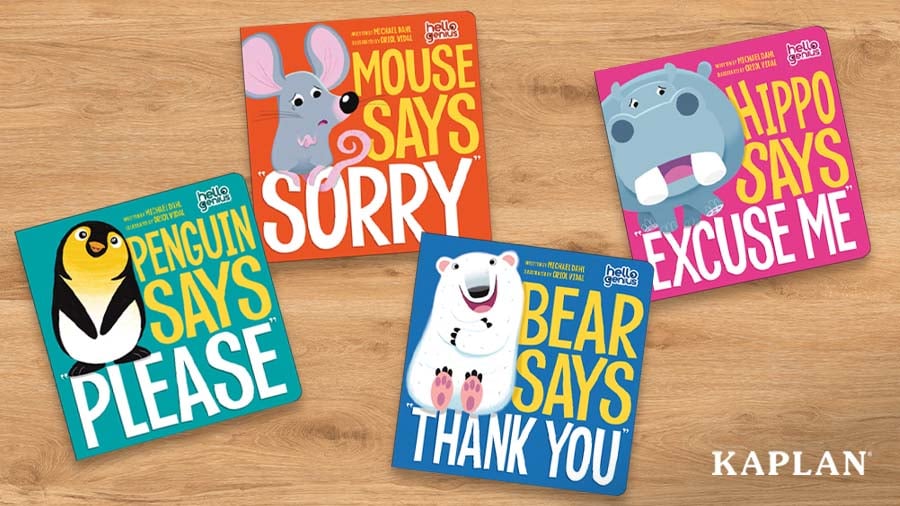
Books about basic manners and social skills. These books teach toddlers polite phrases like "please" and "thank you." They also learn to share and take turns, which are key to building friendships and getting along with others.
Books that celebrate individual strengths to build confidence and self-esteem. These books help toddlers recognize positive qualities in themselves and others.
Stories about everyday feelings and experiences that toddlers face. Starting school, visiting the doctor, or even trying new foods are familiar moments for most young children. These stories can help them make sense of their world.
Bilingual books about first behaviors to support dual-language learners. These books weave vocabulary-building moments into their pages while reinforcing skills like kindness, self-regulation, and curiosity.
3. Practice sharing and turn-taking
In From Biting to Hugging: Understanding Social Development in Infants and Toddlers, also by Donna S. Wittmer, PhD, and Deanna W. Clauson, the authors suggest that sharing is one of the most challenging skills to teach young children. At this stage, toddlers are primarily focused on their own needs. You'll hear "me" and "mine" a lot as they learn to assert themselves and their needs.
But simple activities that reinforce sharing and turn-taking help them begin to understand what others may be feeling. These early perspective-taking skills build empathy and inclusion while fostering kindness, friendships, and emotional regulation.
Activities for practicing sharing and turn-taking:
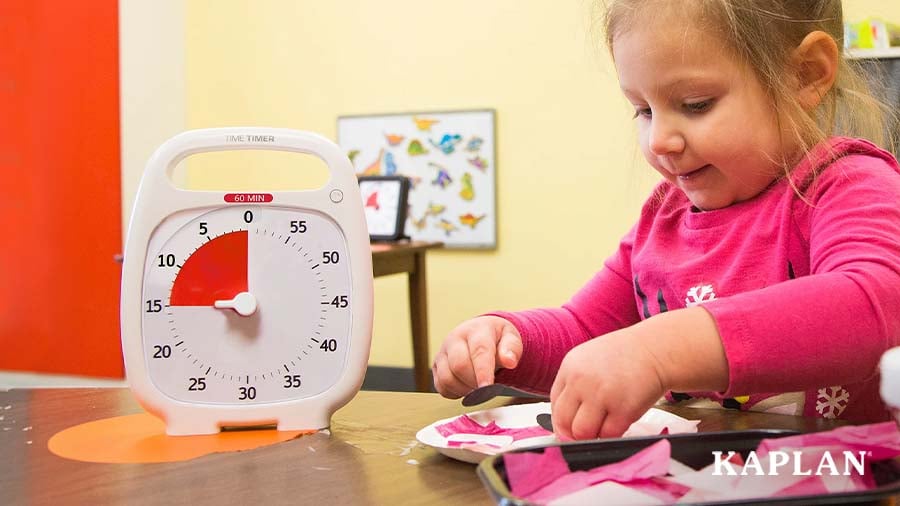
Use visual timers. Set a countdown timer to help toddlers understand when it's time to share. You can say, "When the timer beeps, it will be Maria's turn with the truck." Visual timers give toddlers a concrete way to understand when their turn ends and a friend's turn begins, making the process easier for everyone.
Play simple group games. Activities like "Follow the Leader" and the use of musical floor mats help toddlers practice waiting their turn. Simple games like passing a sensory ball back and forth teach the rhythm of taking turns without the pressure of giving up a favorite toy. These activities give toddlers a chance to practice helpful behaviors without even realizing they’re doing it.
Narrate the process. Say things like, "Jamal is playing with the truck now. When he's done, you'll get a turn." You may also have to model the appropriate response—showing how to wait or ask for a turn—or redirect them to another toy or activity. Your guidance helps toddlers grasp the sequence of turn-taking and makes waiting feel less daunting.
Remember: giving young children choice increases sharing behavior, according to research published in Psychological Science. Focus on supporting turn-taking and modeling helpful behaviors rather than forcing them to share.

4. Provide sensory and movement activities
Sensory play and movement help toddlers develop self-regulation, or the ability to manage their big feelings. Toddlers experience intense emotions but often lack the language to express them well. This language gap can lead to challenging behaviors such as tantrums, hitting, or throwing. These activities give toddlers a healthy outlet for releasing energy, frustration, and excitement while helping them learn to calm themselves.
Sensory and movement activities that promote self-regulation:
Water play. Set up a sand-and-water table for open-ended play and exploration. As toddlers scoop, splash, and pour, they’re engaging their senses in ways that make them feel grounded and calm. It’s also an opportunity for cooperative play as children practice sharing materials while playing side by side. For extra fun, provide a few sand-and-water tools, like sifters, spoons, and shovels, to enhance their play and learning.
Calm-down bottles. Use sensory bottles or rainmakers to help toddlers calm down. As they watch the liquid swirl or listen to the soft sounds, they learn to relax and self-soothe. You can support them further by modeling how to take slow, deep breaths.
Group sensory bins. Set up sensory bins with child-safe materials, such as play sand, for children to explore. Like water play, toddlers can play alongside peers while engaging their senses, helping them stay calm, focused, and regulated. Add scoops and sifters to double the fun!
5. Encourage pretend play
Recent research in Frontiers of Psychology shows that pretend play is more than fun. It also helps toddlers develop self-regulation skills. As toddlers act out roles and everyday scenarios, they're learning to take turns, manage their emotions, and use self-control.
According to Crying and Laughing, stepping into a pretend role, such as a firefighter, store clerk, mommy, or daddy, also helps children explore others’ perspectives and express emotions they may not feel comfortable showing in different settings.
Ways to use pretend play to build social-emotional skills:
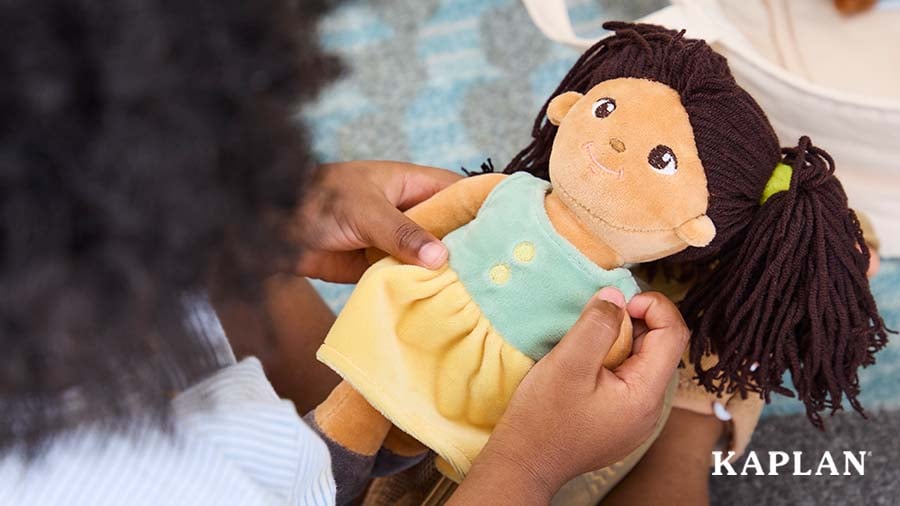
Care for dolls. Provide a diverse selection of dolls for toddlers to nurture and care for. When children feed, dress, or comfort dolls, they strengthen their perspective-taking skills. When nurturing dolls during play, toddlers practice noticing and responding to others’ needs and feelings, which is key to making friends.
Play with emotion bears. Use emotion bears to help toddlers identify and label feelings. These bears display happy, sad, angry, and scared expressions. Children can act out scenarios with the bears, and then practice responding to different emotions.
Dress-up and role-play. Stock your dramatic play center with dress-up clothes, phones, kitchenware, and play furniture, such as a market stand, a living room set, or a kitchen. As children pretend to “take an order” or “check out a customer,” they’re practicing critical social skills that carry over into everyday life.
Explore our collection of dramatic play materials to encourage creative expression and imagination while nurturing children’s social-emotional development.
6. Create a calm, nurturing environment
On any given day, toddlers experience several moments of distress and frustration. This research brief from the Administration for Children and Families reminds us that creating calm, predictable, and homelike environments can help prevent and soften many of those moments.
The brief suggests that a well-designed classroom encourages positive interactions, eases stress and tension, and provides a “home away from home” feeling. It provides toddlers with the support and structure they need to develop social-emotional skills.
Tips and strategies to create a calm learning environment:
Create a cozy corner. Set up a dedicated quiet space with soft cushions, pillows, and lighting. When toddlers feel overwhelmed, guide them to this space to retreat and regroup. Having a predictable calm-down spot helps children learn to recognize when they need a break and eventually choose to take one on their own.
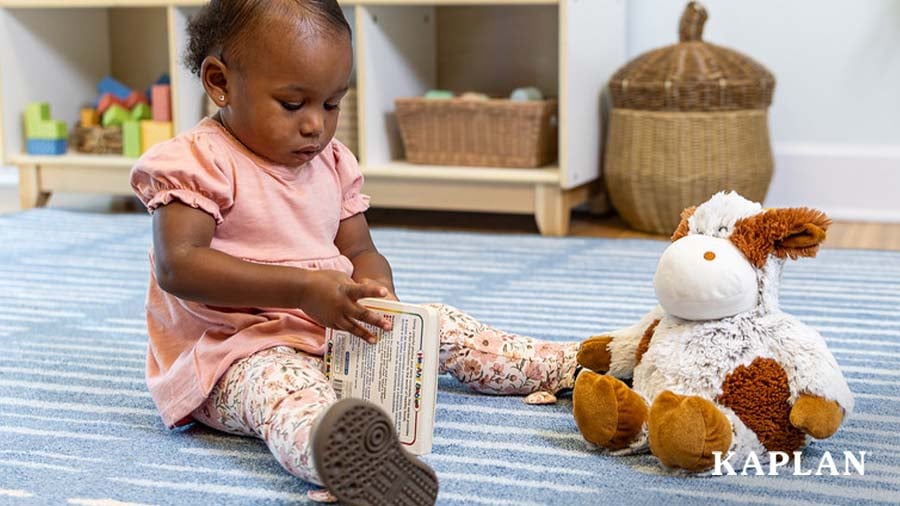
Offer comfort objects. Toddlers often seek comfort from stuffed animals, blankets, or plush toys when upset. Place these comfort objects on a low, easy-to-reach shelf around the classroom. Children should be able to find them when they need them, reinforcing self-regulation skills.
Respond with warmth. Toddlers count on adults to help them control their big emotions. The book, From Biting to Hugging, notes that responding negatively to children’s feelings teaches them to do the same. That’s why it’s important to stay warm and responsive while you help them regulate their emotions and model the skills they’re still learning.
Explore social-emotional resources to help toddlers develop key social-emotional skills
Tantrums, conflicts, and big emotions are daily occurrences in a toddler classroom. They aren’t problems to fix or avoid. Instead, they're opportunities to teach key social-emotional skills like sharing, self-regulation, and empathy.
These skills are the foundation for how toddlers learn, connect with others, and understand the world around them. With these activities and tools, you can help toddlers build essential social-emotional skills that will help them thrive in school and beyond.
Looking for simple ways to support toddlers’ social-emotional development in your classroom? Explore Kaplan's collection of social-emotional resources for toddlers. With books, sensory tools, dramatic play props, and more, you'll find everything you need to turn everyday moments into meaningful social-emotional learning experiences.